


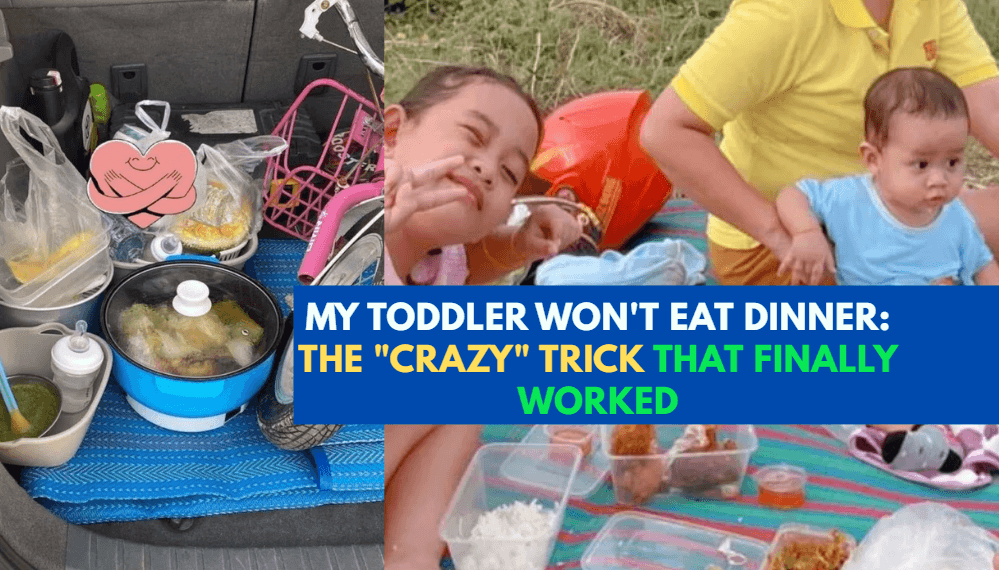
For the longest time, our evenings ended the same way.
Tears, tantrums, and a plate of untouched food.
My son would sit there staring at his rice like I’d served him gravel.
My daughter would take one bite, announce she was “full,” and then ask for cookies ten minutes later.
I tried everything. Different recipes. Fun plates.
Those silly airplane spoon games.
Nothing worked.
Then one evening, I had a completely ridiculous idea.
And honestly, it changed everything.
Before I tell you what worked, let me be honest about what was going on.
My kids would refuse a home-cooked meal, then happily demolish a handful of crackers five minutes later like they hadn’t eaten in days.
Here’s what I eventually figured out:
They’re not always hungry at dinner time, especially after snacking all afternoon.
The environment matters more than I expected.
A dull dining room doesn’t exactly fire up anyone’s appetite.
And pressure makes everything worse.
Every time I said “just one more bite,” dinner started feeling like a punishment for all of us.
That last one was the hardest to accept.
Quick Takeaway
If your toddler refuses to eat dinner and happily snacks 10 minutes later, the problem probably isn’t the food. It’s the environment, the pressure, or the timing.
Taking dinner outside, cutting back on afternoon snacks, and removing all mealtime pressure can turn a stressful battle into an easy, enjoyable meal.
This article shares what actually worked for our family and a few practical tips you can try tonight.
The Experiment: Taking Dinner on the Road
So here’s what we did. It sounded ridiculous at the time.
Instead of fighting another battle at the kitchen table, we packed up dinner and took it outside.
We opened the containers of rice and fried chicken right there on the grass.
No plates. Just the tubs, a mat, and the open air.
We Packed the Actual Dinner
Not sandwiches. Not snacks.
The actual dinner we had already made.
I literally wedged our blue electric cooker between the groceries and my daughter’s pink bike in the trunk.
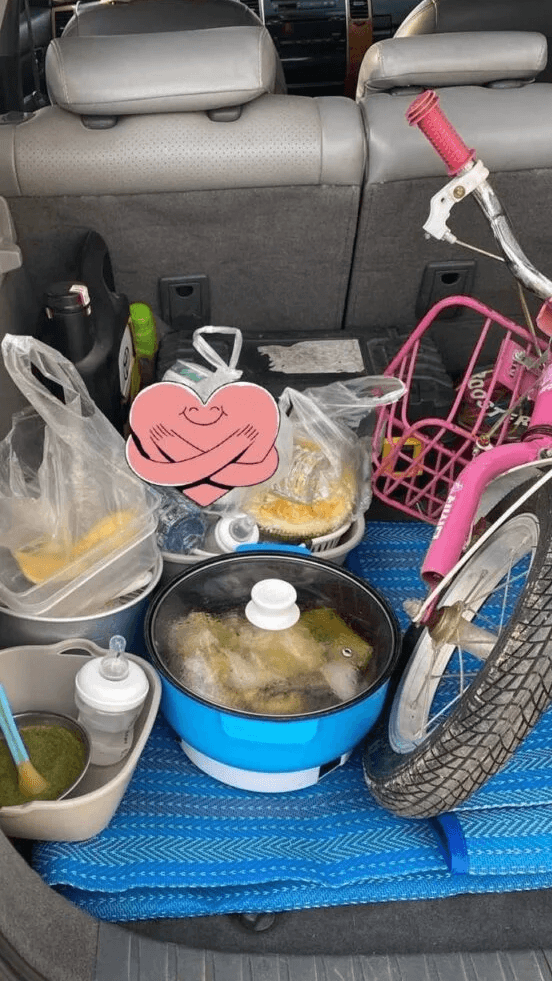
I was convinced the soup was going to spill everywhere.
Finding a Spot Near the Temple
We found a grassy area near the local temple.
Nothing fancy, just a quiet, open field where we could spread our mats without anyone bothering us.
Cool breeze. Soft grass.
That golden late-afternoon light.
It felt calm before we even opened a single container.
Dropping the Rules and Just Eating
This is where things shifted.
We spread the blanket, opened the food, and just ate.
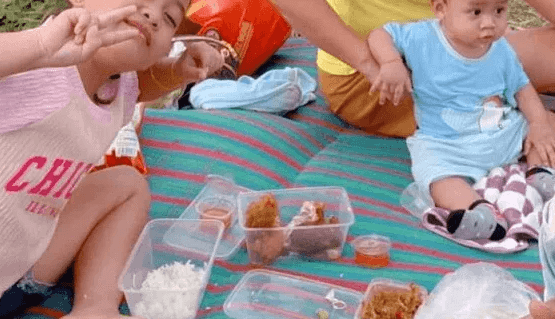
No TV. No rushing. Just us, the food, and some open sky.
The Result: They Actually Ate Everything
I’m not exaggerating.
That was the first time in months my son finished his entire meal without me asking even once.
My daughter, who usually takes one bite and asks for a cookie, cleaned her plate and then ran off to ride her bike.
What changed?
The fresh air made them genuinely hungry.
The kind of hungry where plain rice actually tastes good.
There was no pressure.
No “eat your vegetables or no dessert.”
They ate because they wanted to.
What We Learned: Mealtime Strategies That Actually Work
After that night, something clicked for me.
Sometimes the problem isn’t what you’re serving.
It’s where and how you’re serving it.
Here are the practical shifts I really wish someone had told me about sooner.
- Change the scenery. You don’t need to go to a park every night. Even eating on the porch or in the backyard can make a real difference. A new setting makes the whole meal feel different to a child. Toddlers respond to novelty, and something as small as sitting on a blanket instead of a chair can reset the whole mood around food.
- Let go of the pressure. This one is tough. But try not to force it. Put the food out, sit with them, and let them decide how much they eat. The less pressure you put on mealtime, the better it tends to go. Research on the division of responsibility in feeding supports this idea completely: your job is to offer the food, their job is to decide whether and how much to eat.
- Make it fun without forcing it. Kids like novelty. A picnic-style setup, eating with their hands, or even just a different cup can spark some interest. But don’t stress if they still don’t eat much. Just keep it low-key and enjoyable.
- Try serving dinner a little earlier. If your toddler won’t eat dinner, they might not actually be hungry yet, or they might be overtired. Shifting dinner up by 30 minutes is worth trying. Toddler hunger cues are often missed when we wait too long.
- Cut back on afternoon snacks. Snacks are basically a survival tool for parents, but if your toddler skips dinner and then eats crackers like they’re starving 10 minutes later, try stretching the gap between snack time and dinner. A bit of real hunger goes a long way. If your little one is constantly refusing their evening meal, this simple shift in their afternoon routine can make a noticeable difference within a few days.
Why We Keep Eating Outside
If your toddler won’t eat dinner, I get it.
It’s exhausting, it’s frustrating, and some nights you just want to cry into your own plate of cold pasta.
But watching my daughter ride her bike through the grass after actually finishing her chicken made the mess and the hassle completely worth it.
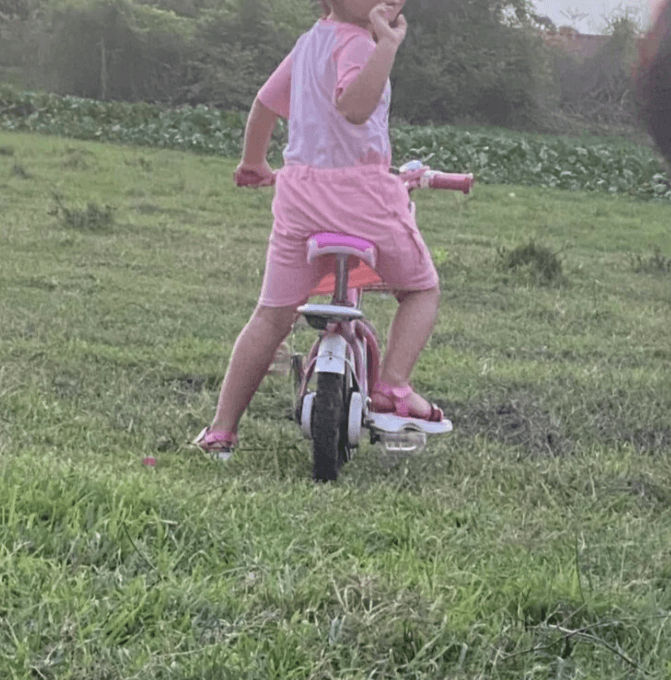
We weren’t just eating.
We were actually enjoying being together again.
Sometimes all it takes is a little fresh air and a change of scenery.
So the next time dinner turns into a mealtime battle, try packing it up and heading outside.
It might feel silly.
It won’t work every single time.
But for our family, it was one of the best parenting calls we’ve made in a long time.
Frequently Asked Questions
Why does my toddler refuse to eat dinner but then want snacks right after?
This is one of the most common toddler eating frustrations. The most likely reason is that your toddler is not actually hungry at dinner time, especially if they snacked in the hour or two beforehand. Their stomachs are small, and even a moderate snack can be enough to take the edge off their appetite. Try pushing dinner earlier, or extending the gap between the last snack and dinner to at least 1.5 to 2 hours.
Is it normal for a 2 or 3-year-old to skip their evening meal completely?
Yes, food refusal is very common between the ages of 1 and 5. Many toddlers go through phases where they only want certain foods or refuse meals entirely. As long as your child is growing normally and eating something throughout the day, occasional dinner refusal is usually not a nutritional concern. If you’re worried, speak with your pediatrician.
Does taking meals outdoors actually improve a child’s appetite?
For many families, yes. Fresh air naturally increases appetite, and removing the structured “dinner table” environment takes away a lot of the pressure and associations kids build around mealtime. The change of scenery resets the experience and makes the meal feel like something new and enjoyable rather than a routine battle.
How do I stop the dinner battle with my toddler?
The most effective approach is to remove pressure entirely. Offer a balanced meal, sit together, and eat your own food without commenting on what or how much your toddler is eating. Avoid bribing, threatening, or counting bites. Over time, low-pressure mealtimes tend to produce better eaters than forced ones. Changing the location of the meal, like eating outside or on a picnic blanket, can also help reset negative associations.
What if my little one grazes all day and won’t touch solid food at the table?
Start by reviewing the timing and quantity of snacks. If snacks are too close to dinner or too large, there’s no room left for hunger. Try shifting snacks earlier, offering smaller portions, and then serving dinner when genuine hunger has had a chance to return. Be patient and consistent. It can take a few days for the new routine to click.
At what age do picky eating phases usually end?
Picky eating tends to peak between ages 2 and 3 and gradually improves through ages 4 to 6 for most children. Some kids remain selective eaters longer, especially if there are sensory components involved. Keeping mealtimes positive and low-stress, offering a variety of foods without pressure, and modeling good eating habits are the most consistently recommended strategies by pediatric feeding specialists.
Can I try this outdoor dinner idea in an apartment with no backyard?
Absolutely. You don’t need a yard. A balcony, a nearby park, a community green space, or even a blanket spread on your living room floor can create the same “change of scenery” effect. The goal is to break the routine and remove the associations your toddler has built up around the usual dinner spot.
Disclaimer: I am a parent and an HR/education professional, not a licensed child psychologist or occupational therapist. This guide is based on my personal parenting experience. Always consult your child’s pediatrician for professional advice regarding your child’s behavioral development or potential sensory processing issues.
