


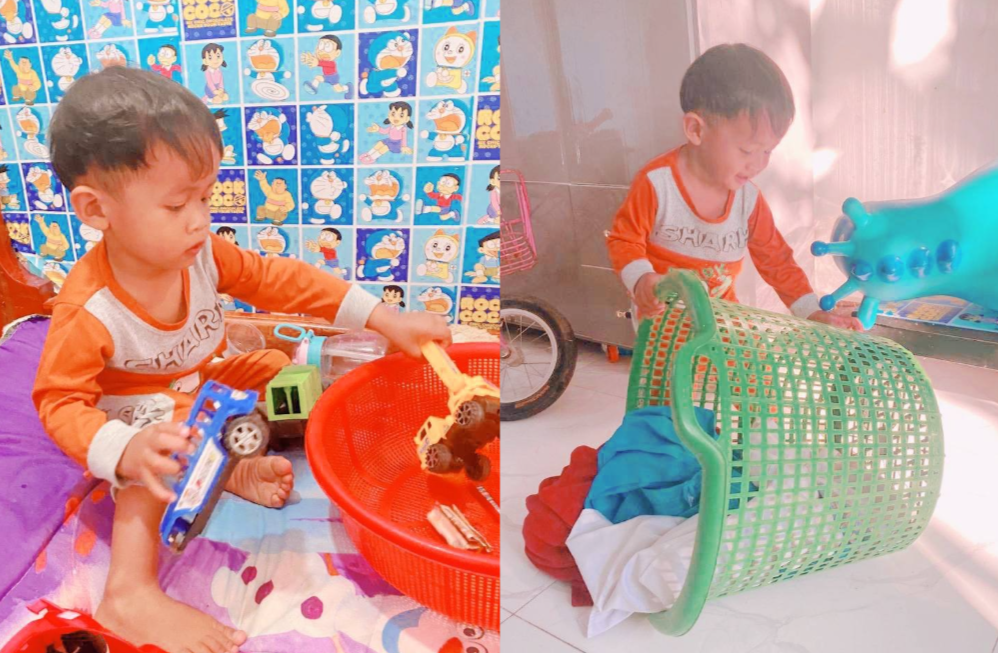
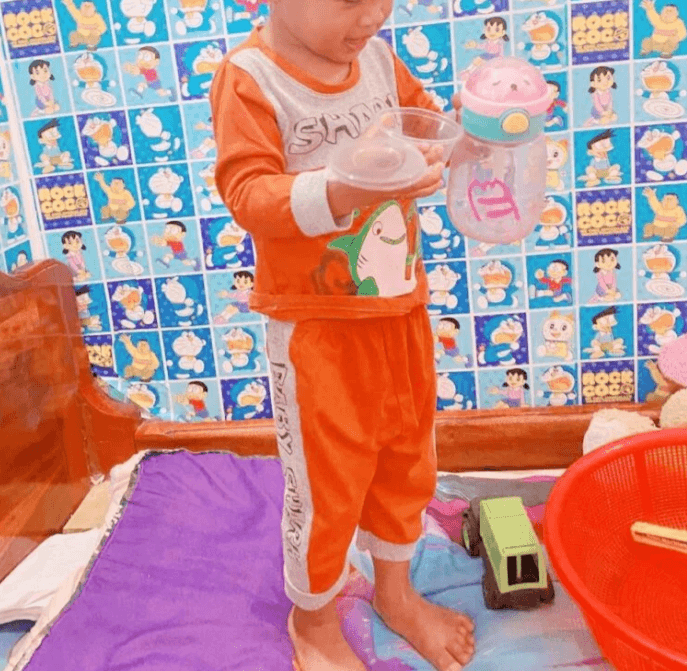
Walk into my son’s room, past the wall of blue Doraemon stickers, and you’ll find him in the same orange outfit he’s worn for 21 days straight.
He treats it like a uniform. Hand him a blue shirt?
Meltdown. Are pants in the wash? Full disaster. It’s Orange Shark Life, every single day.
If you’re worn out from the daily battles over getting dressed, I promise you aren’t the only one.
It’s a lot more normal than it feels when you’re in the middle of a screaming match on a Tuesday morning.
Why Your Toddler Wants to Wear the Same Shirt Every Day
At first, I thought my son just liked orange. But after watching him for a few days, I realized it wasn’t about the color at all. It was about control and comfort.
To me, it’s a cheap shirt I bought online.
To him, it’s his uniform. His identity. It’s one small corner of a world where adults make pretty much every decision.
When a toddler refuses to change clothes, they’re actually telling you something. They need predictability.
They need something that feels right on their body. They need to feel like they have a say in at least one part of their day.
Understanding Toddler Clothing Sensory Issues
A lot of kids have strong feelings about how clothes feel on their skin. That stiff button-down you think looks adorable?
It might feel like sandpaper to them. Those jeans with the thick seams? Genuinely uncomfortable.
This is especially worth noticing if your child refuses to wear certain clothes but happily wears others.
They’re not trying to be difficult. They’re reacting to texture, tightness, or that scratchy tag rubbing their neck all day.
My son’s orange shark shirt is soft, stretchy, and tag-free.
Once I paid attention to that, I stopped being annoyed and started actually understanding him.
Living With a Toddler Who Wears the Same Shirt Every Day
I started documenting it just to make sure I wasn’t losing my mind.
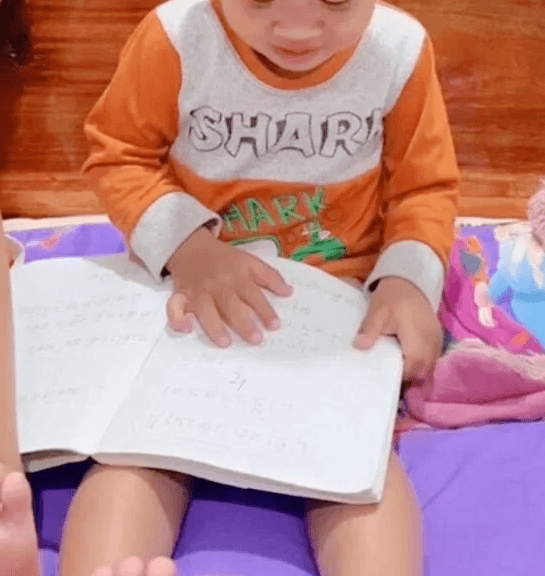
Monday morning, he’s sitting on the purple mattress reading his notebook. Same shirt.
Wednesday afternoon, he’s dumping construction trucks out of his red basket. Same shirt.
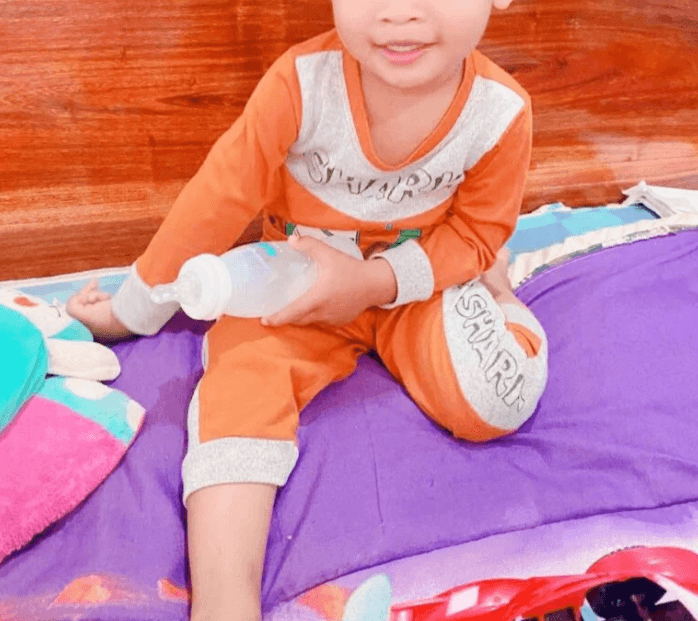
Friday evening, he’s clutching his milk bottle, perfectly calm and smiling. Same shirt.
As a parent, that’s hard to sit with. I worried about what the preschool teachers thought.
I worried strangers assumed I didn’t own a washing machine. I even considered buying a second identical shirt just to fake some variety.
But then I noticed something. When he wore that shirt, he was calm.
He drank his milk without fussing. He rode his little white bike around the living room without a single complaint.
No meltdown before breakfast.
When I forced him into something else, the morning fell apart. Crying, screaming, both of us frustrated before we’d even eaten.
That’s when I stopped fighting and started actually solving the problem.
How to Get Your Toddler to Change Clothes Without Tears
I realized pretty quickly that forcing him out of the shirt was never going to work. I had to get him on board.
Make a Simple Deal
I sat down with my son and kept it straightforward. “If you want to wear the shark shirt tomorrow, you need to help me put it in the laundry basket tonight.”
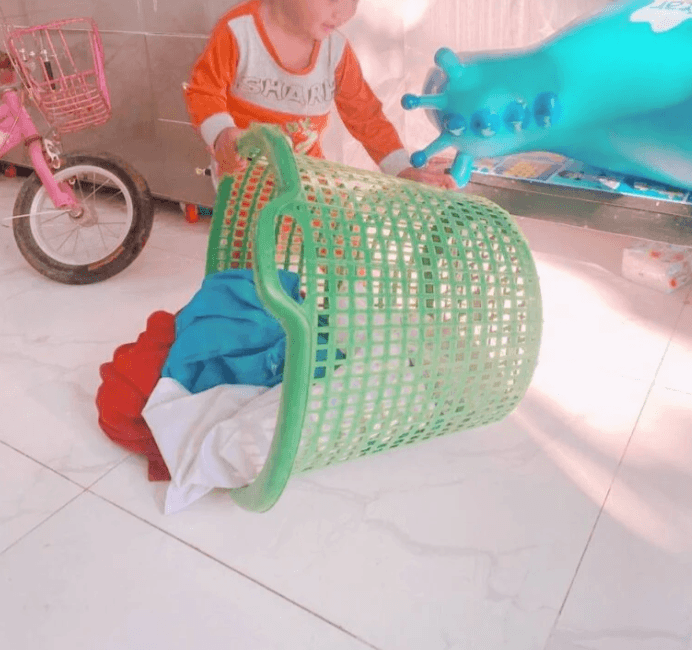
It worked. He doesn’t just put clothes in the basket; he practically dives into it.
We turned the whole thing into a game where he dumps everything over. It became part of our bedtime routine.
The shirt goes in the basket, we wash and dry it overnight, and it’s clean and folded on his chair when he wakes up.
That one small ritual solved the biggest problem: keeping the shirt clean while letting him feel like he was in charge.
What to Do When a Toddler Won’t Take Off Clothes
Some nights, he just didn’t want to take it off at all.
So we found a middle ground. If he was tired, he could sleep in it, and we’d wash it the next night. Or he could wear pajamas, and the shirt would be “resting” on the chair, waiting for morning.
Giving him those two options made a real difference.
When kids feel respected, they’re a lot more willing to cooperate. And honestly, if the clothing battle is making everyone miserable, it’s okay to let some things go.
A clean shirt worn daily beats constant stress every time.
When Other People Have Opinions About Your Child’s Clothes
The hardest part wasn’t managing my son. It was managing my own anxiety about what other people thought.
“Don’t they own other clothes?”
“Is everything okay at home?”
I had to keep reminding myself that my son’s happiness matters more than a stranger’s opinion.
He’s clean. He’s healthy. He’s happy. That’s the whole job.
If someone asks, I just say, “He loves that shirt, and we keep it clean.” Most people get it once they know you’re being thoughtful about it.
When Should You Be Concerned?
Most toddlers who refuse to change clothes are just being toddlers.
They’re testing limits, expressing preferences, figuring themselves out. That’s healthy.
That said, it’s worth talking to your pediatrician if your child:
- Has extreme reactions to all clothing, not just certain items
- Can’t tolerate any tags, seams, or textures at all
- Shows other signs of sensory processing difficulties
- Gets extremely distressed about clothing changes, even with gentle approaches
If any of this sounds familiar, it might be worth mentioning to your pediatrician.
Sometimes an occupational therapist can step in and give you tools to make getting dressed a lot less painful for everyone.
Practical Tips When Your Child Refuses to Wear Certain Clothes
A few things that actually worked for other parents and us:
- Buy duplicates of the favorite item. If there’s one beloved shirt, grab two or three identical ones. Makes washing easier and gives you a backup.
- Offer two choices, not a demand. Instead of telling them what to wear, give them two options you’re both okay with. They feel in control, and you stay sane.
- Cut out all the tags. So many clothing battles start because tags are scratchy. Just remove them from everything.
- Pay attention to the fabric. Notice what they gravitate toward and shop for similar textures. Soft cotton and stretchy materials tend to work best for young kids.
- Pick your battles. If the outfit is clean and weather-appropriate, does it really matter that it’s the same one as yesterday?
- Build washing into the routine. The nighttime basket ritual worked for us because it became predictable. Make clothing care part of the daily rhythm.
- Stay calm during refusals. Getting frustrated makes clothing changes feel scarier. Keep your voice steady, even when you’re not feeling it.
Why This Phase Is Actually a Good Sign
When your toddler refuses to change clothes, they’re practicing something real. They’re learning to express preferences.
They’re figuring out what feels comfortable on their body. They’re discovering they have some say over their own choices.
That’s healthy development. Inconvenient for us, yes. But it’s teaching them to know themselves and speak up for what they need.
And it won’t last forever. Eventually, they’ll care what their friends think. They’ll want to wear what the other kids wear. They’ll outgrow this favorite and find a new one.
My son won’t be wearing that shark shirt at ten. But right now, at two, it makes him feel safe. That’s worth protecting.
Choosing Peace Over Perfection
Some parenting battles are worth it. Safety. Kindness. The big stuff. But which clean shirt does your toddler wear today? That one really isn’t.
When I stopped trying to control my son’s clothing and started working with his preferences, our mornings changed completely. He felt respected. I felt less stressed. We both won.
So if your toddler is wearing the same shirt every day, take a breath. You’re not failing. Your kid isn’t broken.
This is just a phase, and there are simple ways to get through it that don’t involve anyone crying before 8am.
Keep the shirt clean. Give them some control. Trust that they’ll grow out of it when they’re ready.
And in the meantime? Long live the orange shark shirt.
Disclaimer: I am a parent and a university educator, not a licensed child psychologist or pediatrician. This guide is based on my personal parenting experience and educational background. Always consult your child’s teacher or pediatrician for professional advice regarding your child’s educational development.
