


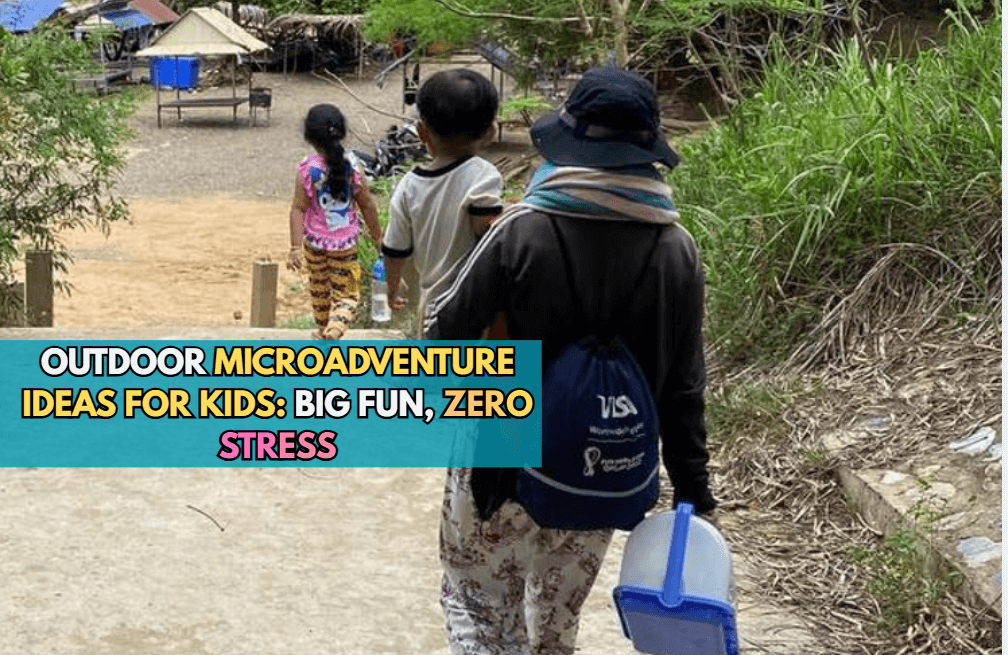
You don’t need a packed suitcase, a long drive, or an expensive trip to give your kids a real adventure.
Some of the best outdoor adventures for kids are hiding just a short walk from your front door. All it takes is a little curiosity and the willingness to step outside.
Grab a backpack, toss in a container for collecting treasures, and head down to the nearest path or stream.
This guide is full of simple microadventure ideas for kids that any family can actually use.
Whether you have a backyard, a nearby park, or just a quiet street to walk along, there’s something here for you.
What the heck is a microadventure anyway?
A microadventure is a short, simple outing close to home. No big planning, no real budget, no long travel time.
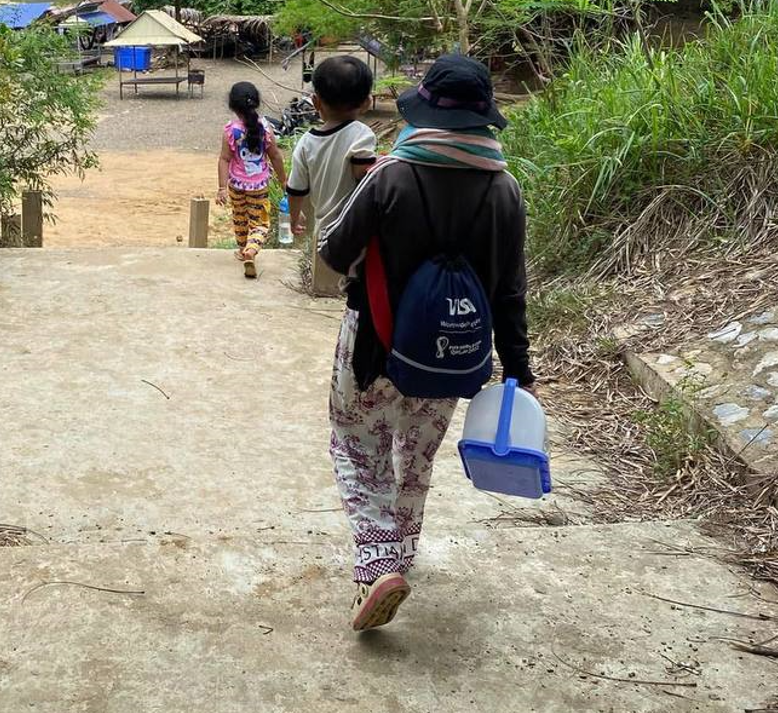
The idea is just to step away from your usual routine and experience something that feels a little fresh, even if the place is familiar.
For kids, the world is already full of wonder. A patch of grass can feel like a jungle. A small stream can seem like a great river.
Mini adventure ideas like these help children slow down, look closely, and actually notice the world around them. And for parents, these local adventures are a welcome break from screens, schedules, and the general noise of daily life.
Why we desperately needed this (and maybe you do too)
We all know kids stare at screens too much these days.
I remember reading somewhere that more time outside is actually linked to lower stress and better eyesight—but honestly, I just know that when my kids are bouncing off the walls, ten minutes in the dirt completely shifts their mood.
Screen-free activities don’t need to be complicated. Sometimes a quick walk to the local park is all it takes to reset the whole afternoon.
The good news is you don’t need to wait for the perfect day or the perfect destination. These family outdoor activities are built to fit into real life, messy schedules, and all.
Outdoor Microadventure Ideas for Kids to Try This Week
Here are some of our family’s favorite things to do outside. None of them needs special gear or much preparation. Just grab your shoes and go.
1. The Backyard Safari
This one is great for young kids. Grab a magnifying glass, head to any patch of green space, and challenge your children to find five different insects or three different leaf shapes.
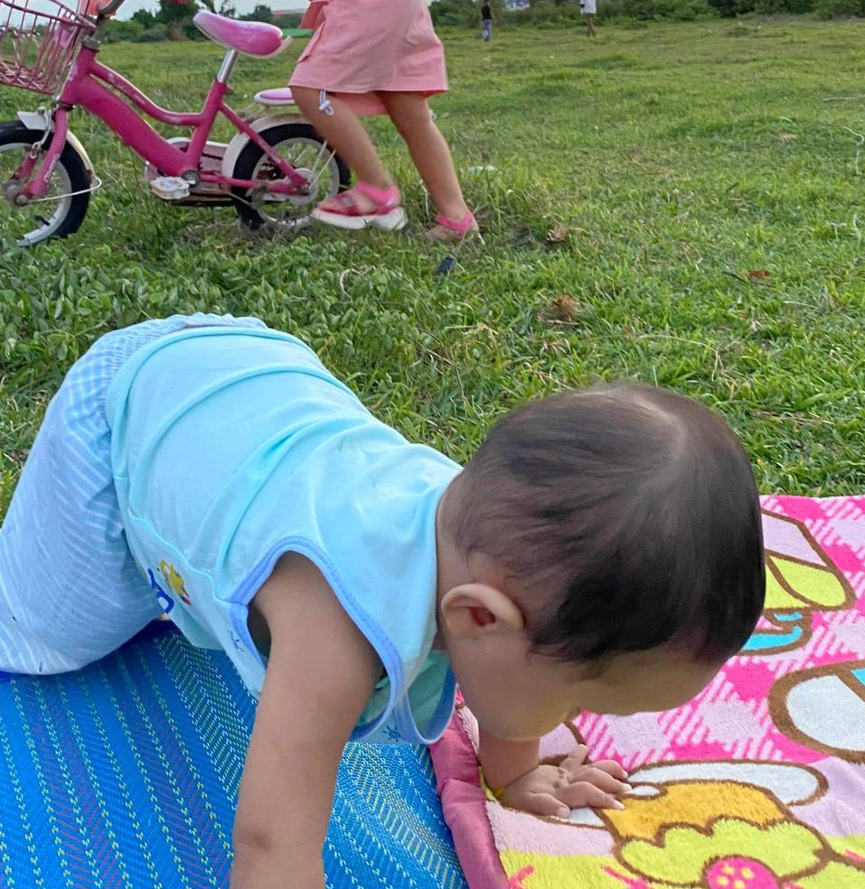
When they get down close to the ground, they discover a whole tiny world that most of us walk right past every day. We like to make it a game.
Last week we spent twenty minutes completely fascinated by a line of ants carrying a crumb across the patio.
It sounds simple, but seeing the world through their eyes makes you realize how much action is happening right under your feet.
This works even in the smallest garden, which makes it one of the easiest mini-adventures to try at home.
2. The Flashlight Night Walk
Everything looks different after dark. A familiar neighborhood street becomes a completely new place when you’re walking it with a flashlight in hand.
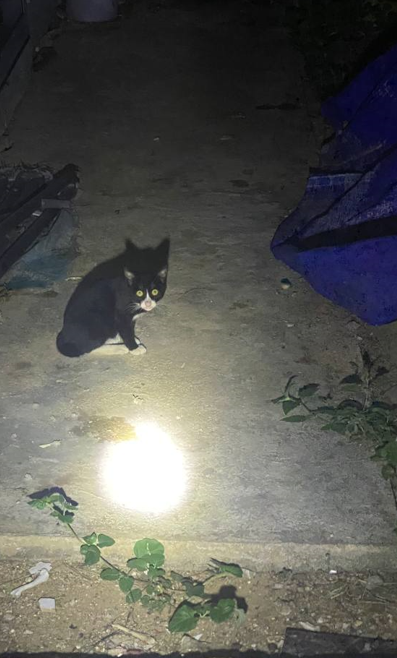
Put on a jacket, grab a torch, and head out after sunset as a family. Listen for owls. Look for the glowing eyes of a cat hiding in a garden.
Parenting tip: we prefer giving the kids cheap headlamps instead of handheld flashlights. It keeps their hands free to catch their balance if they trip in the dark.
3. Follow the Local Stream
Find a small stream, canal, or drainage channel near your home and just walk along it to see where it goes.
Pick up sticks along the way and race them in the current. Watch how the water moves around rocks and bends.
This is one of those nature activities that teaches without feeling like a lesson.
Kids naturally start asking questions. Where does this water come from? Where does it go? Why is it moving faster here?
Let them wonder. Let them figure it out.
4. The Sunrise Breakfast Picnic
Adventures don’t only happen in the afternoon. Pack some fruit, a thermos of something warm, and a simple snack, then head out to a nearby hill or park just before the sun comes up.
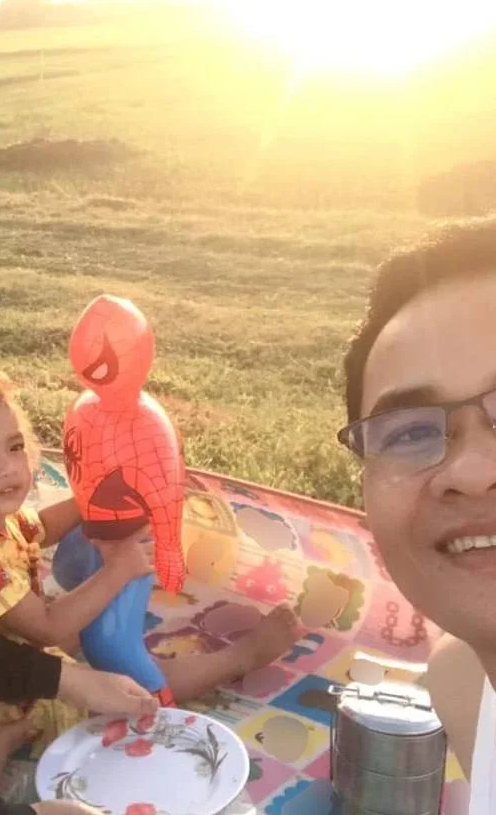
Eating breakfast outside while the world wakes up around you is a surprisingly magical experience.
We do this regularly. My child brings exactly one toy (usually a giant inflatable Spiderman) and is perfectly happy.
We pack a simple meal in our tiffin carrier and just enjoy the sun. The change of setting does most of the work.
5. The Cloud Watching Hour
Lay a blanket on the ground, look up, and do absolutely nothing else for a while. Challenge your kids to spot shapes in the clouds. A dragon. A car. A sleeping dog.
If your toddler is too energetic to lie still, try cutting a picture frame out of a piece of scrap cardboard and have them hold it up to the sky to “capture” specific clouds.
It’s a surprisingly good trick for keeping a busy two-year-old focused.
This quiet, slow activity is one of the best screen-free activities for kids because it encourages imagination without any prompting from you. It’s also a good reminder for parents that not every moment needs a plan.
Sometimes just being outside together is enough.
6. The Nature Scavenger Hunt
Write a simple list before you leave the house. Something round. Something rough. Something that makes a sound.
Something alive. Something red. Hand the list to your child and let them lead the way. This works in a park, on a trail, or even just around your street.
Scavenger hunts are one of the most flexible family outdoor activities because you can adjust the difficulty based on your child’s age.
Younger kids can look for colors and textures. Older children can take on more specific challenges, like finding three different types of birds or spotting an insect that blends into its surroundings.
How to do this without overthinking it
The biggest reason most families skip outdoor time on weekdays is that planning feels like too much effort.
Here’s a simple approach that takes almost no time at all.
- Pick one destination. It can be a specific tree in a nearby park, a street corner you’ve never walked to, or a pond you’ve driven past but never actually stopped at.
- Pack light. Water, a snack, and a small notebook or sketchpad. Nothing else unless the weather calls for it.
- Give the kids one task. Count the birds. Find something beautiful. Draw what they see. A single focus keeps the trip feeling purposeful without turning it into a chore.
- Talk about it on the way home. Ask your child what their favorite part was. That simple conversation makes the memory stick.
That’s all it takes. The less you over-plan, the more room there is for something unexpected and good to happen.
Simple Tips for Parents Who Are New to This
If you’re not used to spending unstructured time outside with your kids, it can feel a little awkward at first. That’s completely normal.
Here are a few things that help.
- Follow their lead. If your child stops for ten minutes to stare at a beetle, let them. That curiosity is exactly what you’re out there to encourage.
- Don’t rescue every moment. If it starts to drizzle, that’s not a disaster. It’s part of the adventure. Let your child experience the world as it actually is, not only when it’s perfectly comfortable.
- Leave your phone in your pocket. It’s tempting to document everything, but some of the best moments happen when you’re simply present.
- Start small. A fifteen-minute walk counts. A quick stop at a stream counts. You don’t need to carve out half a day to make outdoor time meaningful.
Microadventure ideas for kids don’t need to be elaborate to leave a real impression.
Some of the most vivid memories children carry into adulthood are simple ones: the time they found a frog by the stream, the morning they ate breakfast outside as the sun came up, the evening walk where they felt brave in the dark.
These local adventures aren’t about replacing bigger trips or planned activities.
They’re about filling ordinary days with something a little more alive. And the great thing is they’re available to almost every family, no matter where you live or what your schedule looks like.
So pick one idea from this list and try it this week. You might be surprised how far a short walk can take you.
Disclaimer: I am a parent and a university educator, not a licensed child psychologist or pediatrician. This guide is based on my personal parenting experience and educational background. Always consult your child’s teacher or pediatrician for professional advice regarding your child’s educational development.
