


I’m a university professor who teaches conflict resolution and HR management.
I help adults work through difficult situations every day. But honestly?
Negotiating with grown-ups is way easier than dealing with a two-year-old who wants a candy bar.
Last week, my son had a full meltdown at our local grocery store.
I want to share what happened and the toddler tantrum tips that actually worked when I was standing in the cereal aisle, feeling like the worst parent alive.
What Happened at the Grocery Store
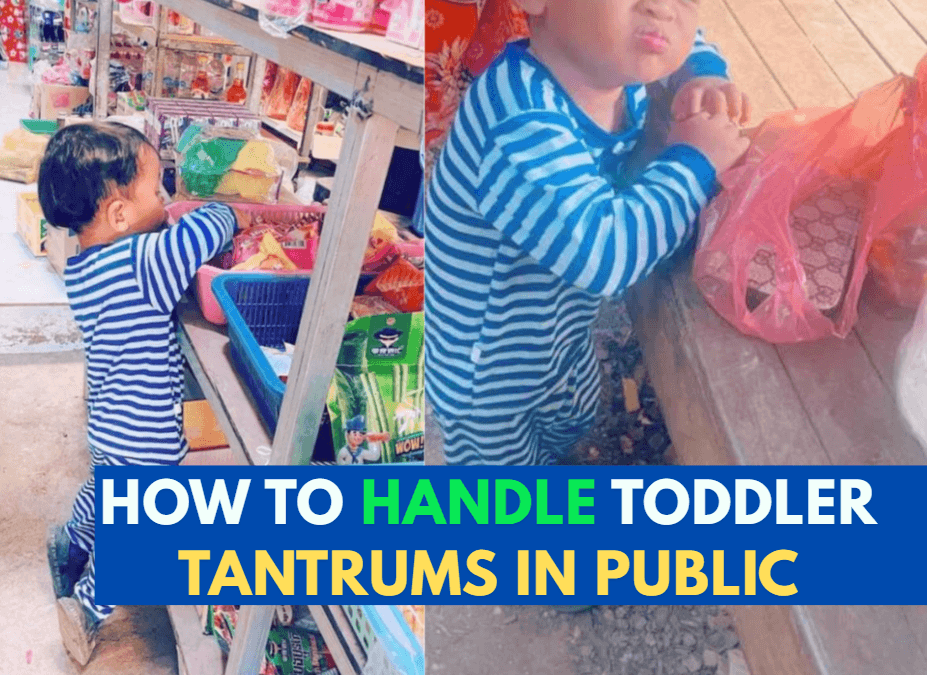
The trip started fine. My son was in his striped pajamas (yes, we left the house like that), happily exploring the bottom shelves.

Everything was going well until he spotted a snack he wanted.
The Cereal Aisle Standoff
This is where toddler tantrums in public usually start. Your kid grabs something. You say no. They fall apart. Everyone looks over.
In that moment, you have two options. Say no and deal with the screaming, or buy the snack just to keep things quiet.
I used to go with option two. It felt easier in the moment. But I learned that giving in just makes future tantrums worse.
How to Calm a Toddler Tantrum: The Choice Technique
Instead of grabbing the snack out of his hands (which always triggers screaming), I tried something different.
I gave him two choices.

“You can hold that snack while we walk around, but we’ll put it back before we leave. Or you can put it back now and pick a banana instead.”
He didn’t love either option. But here’s the thing: giving him a choice made him feel like he had some control.
That’s one of the most effective ways to stop toddler tantrums without caving.
Why it works: Toddlers are wired to push for independence. They want to make decisions.
When you offer choices, even small ones, you’re respecting that need while still holding your boundary.
The Silent Protest (And Why It’s Actually a Win)
After the snack went back on the shelf, I knew something was coming. I picked him up and moved us outside to a quieter spot.
I expected tears and screaming. Instead, I got “the face.”
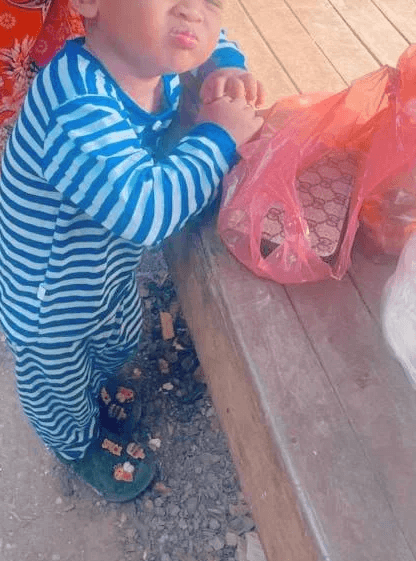
You know exactly which face. Nose scrunched. Eyes squinting.
That look of pure toddler sass. He wasn’t crying, but he was absolutely not happy with me.
That moment taught me something important about handling toddler tantrums in public: you don’t have to fix their feelings right away.
I used to feel embarrassed when my son looked upset in a store. I worried about what other people thought. Now I see it differently.
His feelings are real. Being disappointed is part of how he learns. My job isn’t to keep him happy every second.
My job is to stay calm and let him move through his emotions safely.
So I stood nearby, stayed quiet, and waited. Two minutes later, he was totally fine.
My 3-Step De-Escalation Strategy
Sometimes the silent protest skips straight to full volume. Here’s what works for me.
Step 1: Change the Location
Don’t try to calm a screaming toddler in the middle of a busy aisle. There’s too much noise and too much going on.
Pick them up and move somewhere quieter, whether that’s outside the store, a calmer corner, or your car.
Changing the setting helps reset things for both of you.
Step 2: Stay Calm
This is the hardest part.
When your child is screaming, and people are watching, every instinct tells you to react. But the real secret to getting through toddler tantrums is this: you can’t control what your child feels, but you can control how you respond.
I picture myself as a heavy rock. The tantrum is a storm crashing against it.
Loud, messy, intense. But the rock doesn’t move. It just stays steady.
When you stay calm, you show your child that big emotions are okay and that they pass. That’s one of the most valuable things you can teach them.
Step 3: Reconnect After It’s Over
Once your toddler settles down, don’t hold on to the tension. Toddlers move on fast, and honestly, you should too.
Give them a hug. Smile at them. Get back to what you were doing, like it’s already behind you.
That sends a clear message: “I love you, even when things get hard. We’re good.”
Five minutes after my son’s protest face, he was smiling and chatting as if nothing had happened.
The Actual Goal of Public Meltdowns
A lot of parents think the goal is raising a kid who never has tantrums. That’s not realistic. Toddlers are in the middle of learning how to be people.
They’re figuring out disappointment, limits, and emotions. Sometimes that process is loud and happens in Target.
The real goal is simpler: be the parent who can handle the tantrum without falling apart yourself.
You won’t prevent every public meltdown. But you can get better at handling them with patience and calm.
Why Toddler Tantrums in Public Feel So Much Harder
Tantrums at home are one thing. Nobody’s watching. Nobody’s judging. But in public, it feels like everyone has an opinion.
Some people give you the “control your child” look. Others give you the sympathetic nod that says they’ve been there too.
What helped me most was stopping caring what strangers think.
They don’t know my kid. They don’t know our story.
They catch 30 seconds of our day and form an opinion. That’s on them, not me.
I keep my focus on my son and do what’s right for him. That’s all that matters.
Quick Toddler Tantrum Tips You Can Use Today
Before the tantrum:
- Set clear expectations before you go in (“We’re getting three things, then we leave”)
- Bring snacks because a hungry toddler is a much harder toddler
- Skip the shopping trip if it falls during nap time
During the tantrum:
- Offer choices instead of a flat no
- Move to a quieter space if they’re screaming
- Stay calm and low-key, no yelling or big reactions
- Let them feel what they’re feeling
After the tantrum:
- Reconnect with a hug or a kind word
- Don’t bring it up again
- Move on with your day
Learning how to handle toddler tantrums in public takes time.
Sometimes I still have to carry my son out of a store like a sack of potatoes while he screams.
But I’m getting better at staying calm, and the next time he hits me with that sassy protest face? I’ll just try not to laugh.
Disclaimer: I am a parent and a university educator, not a licensed child psychologist or pediatrician. This guide is based on my personal parenting experience and conflict resolution background. Always consult your child’s pediatrician for professional medical or psychological advice regarding your child’s behavior and development.
