


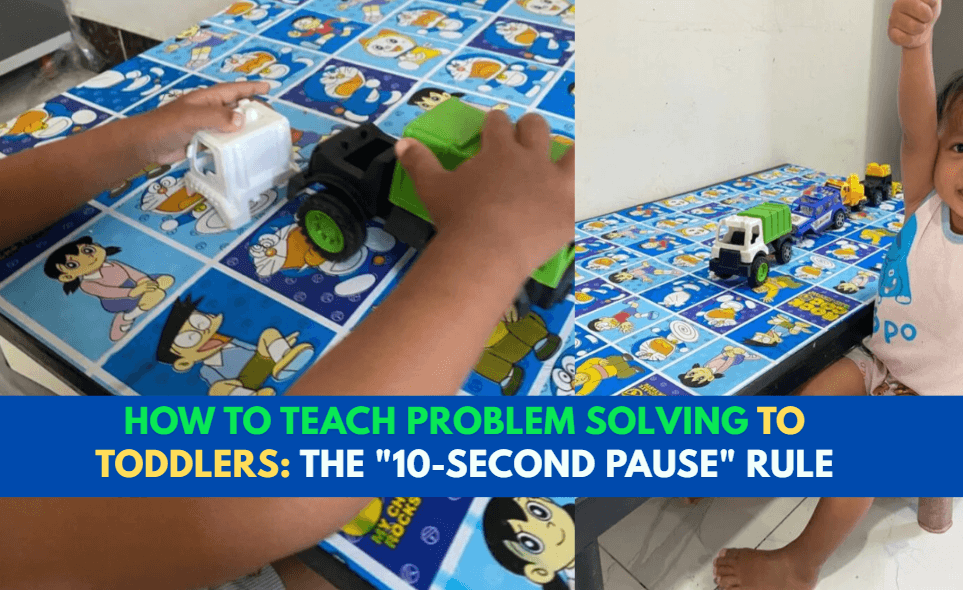
I spend my days as a university educator teaching critical thinking and resilience to young adults. But a small moment in our living room recently taught me something bigger — where those skills actually begin.
My son’s favorite green recycling truck broke.
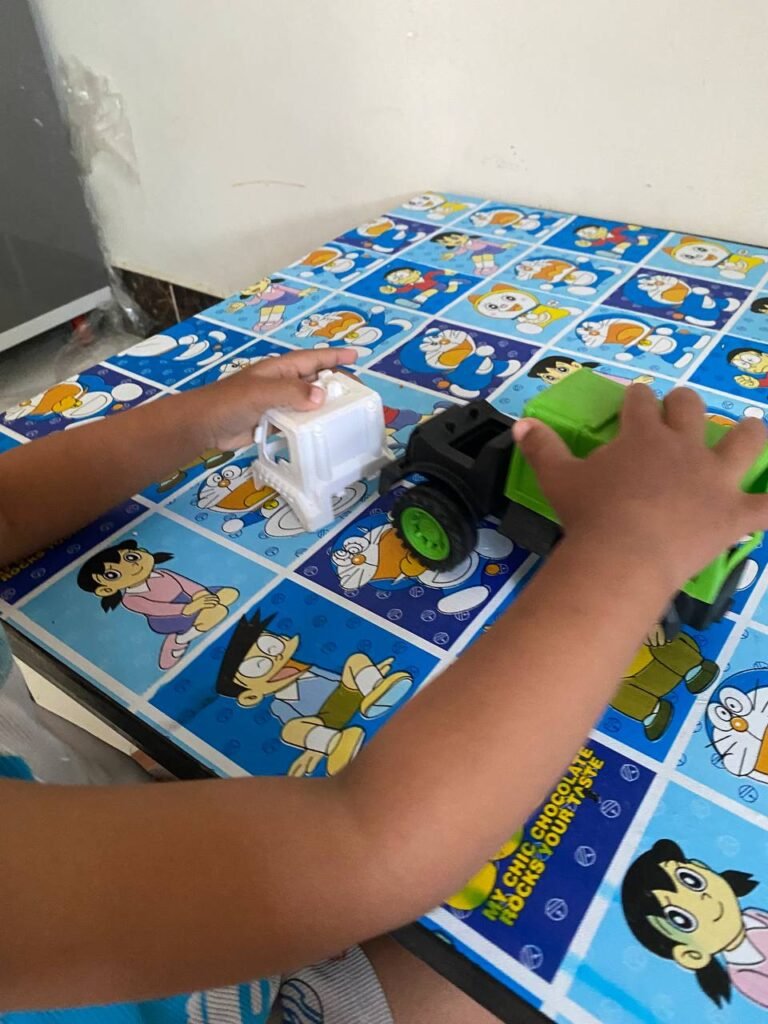
It wasn’t a big break. The white cabin roof popped off with a loud snap, but to him, it was the end of the world.
He stood there holding the broken piece in one hand and staring at the truck in the other. Then he looked up at me with those big eyes: “Dad, fix this.”
I wanted to. Every parent does. But instead, I did something harder. I let him try to fix it himself.
The Breakdown
When the roof snapped off, every instinct told me to grab it and fix it.
He tried jamming the white cabin onto the back of the green dumper — obviously the wrong spot.
This is where most parents, myself included, usually step in. We say, “No, not like that,” and just do it for them.
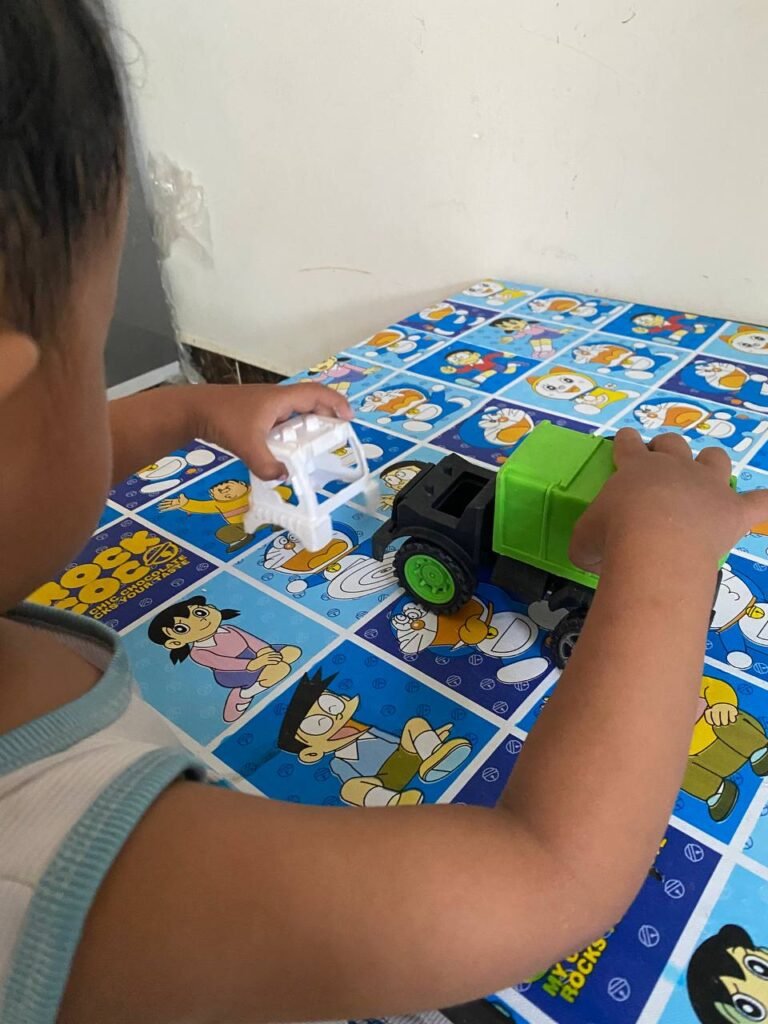
I literally sat on my hands to stop myself from reaching out. If I fixed it for him, I’d be stealing his chance to learn.
Guiding Without Doing
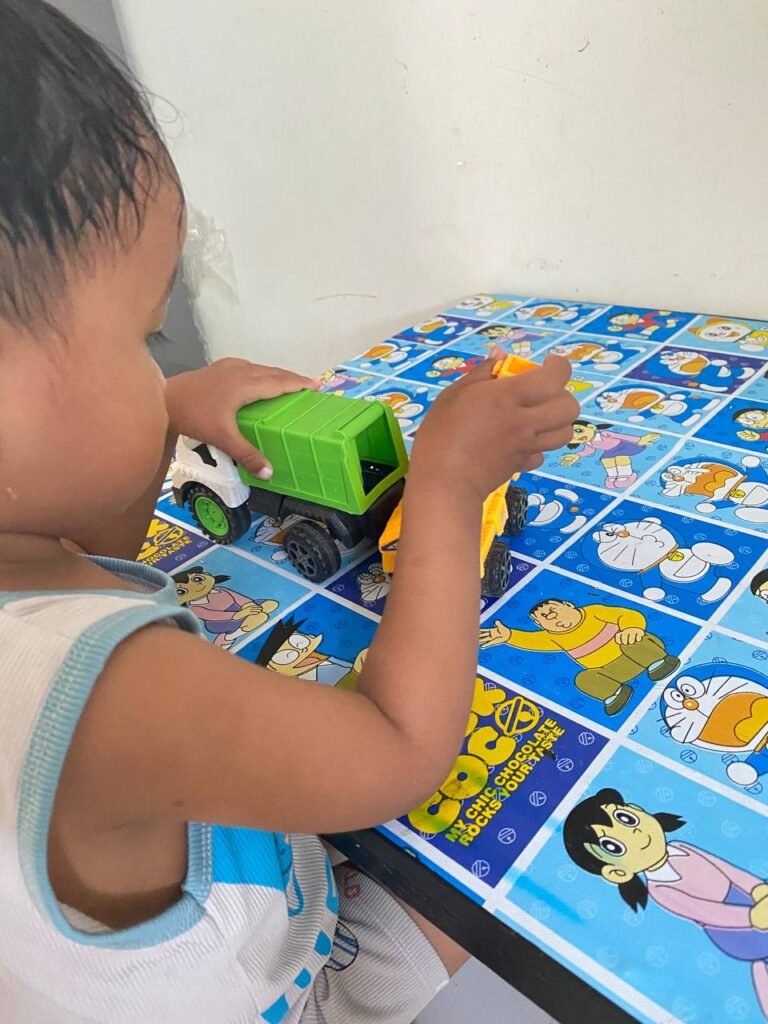
He spent about five minutes trying to force the white cabin piece down.
He was trying to line up the plastic hinges but hadn’t yet found the right angle.
I stayed close so he knew I was there, but I didn’t direct him to do anything. Instead of saying “turn it left,” I asked questions based on what I saw:
- “Does the white part go on the black wheels or the green box?”
- “Is it clicking yet?”
- “What happens if you turn it around?”
He got frustrated. He groaned. But he didn’t stop.
He was testing angles, rotating the piece, pressing down with his thumbs.
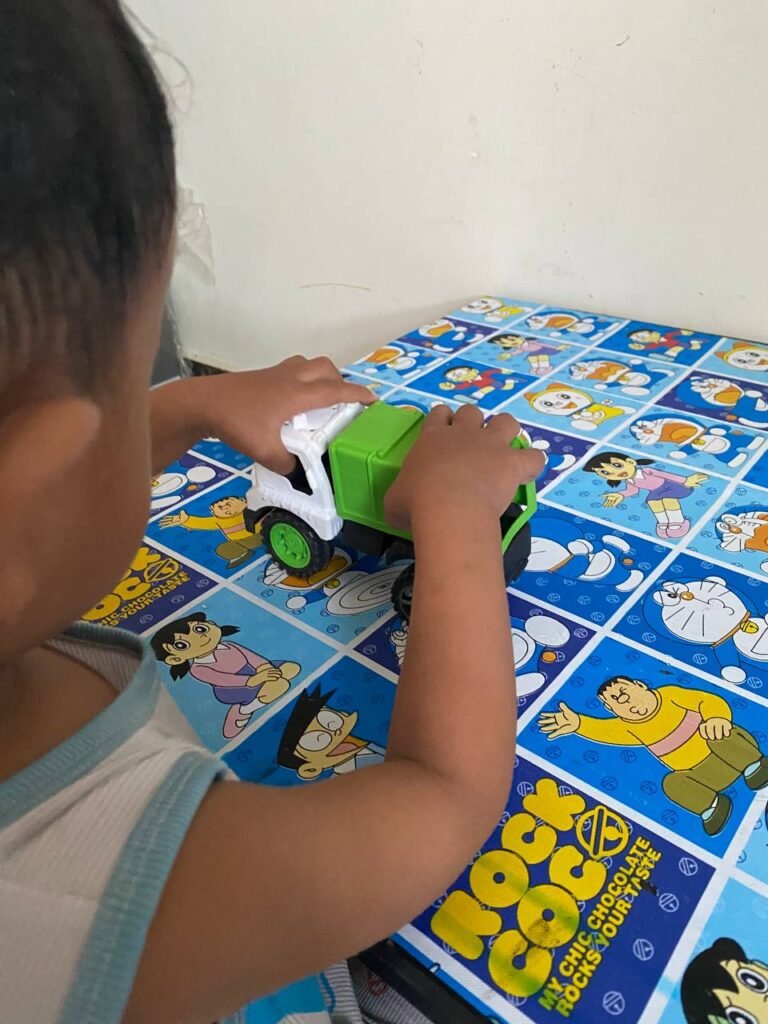
Those are real problem-solving skills he never would have practiced if I had just clicked it back together for him.
The “Click” of Victory
After about ten minutes, I heard it. Click.
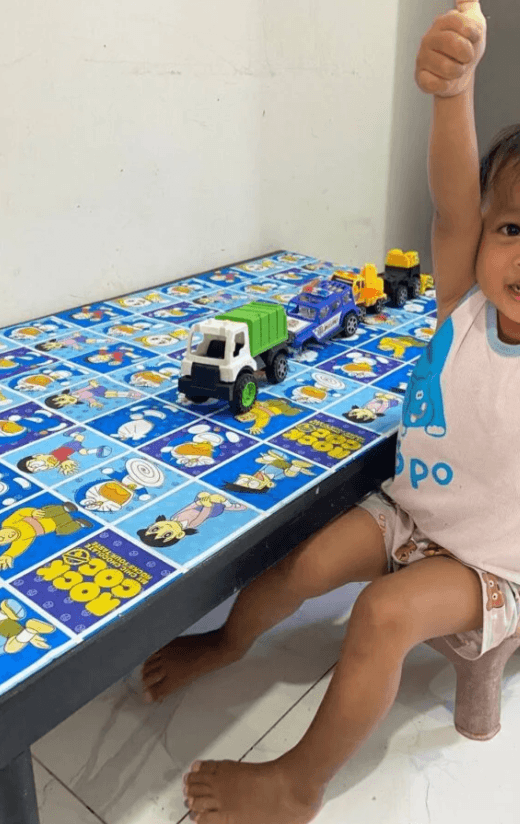
The roof snapped back into place. He froze. He pulled on it gently to test it. It held. Then his whole face lit up.
That thumbs-up wasn’t for me. It was for himself. He owned that win completely. And that feeling? You can’t buy it anywhere.
5 Ways to Build Problem-Solving Skills in Toddlers (Beyond the Truck)
Teaching resilience isn’t about setting up big lessons.
It’s about catching the small, frustrating moments when things go wrong and using them.
Here’s exactly how we handle “toddler frustrations” now:
1. The “10-Second Pause” Rule
When the truck broke, I physically wanted to lunge forward. That’s the Parent Savior instinct.
Now, whenever something spills, breaks, or gets stuck, I count to ten before I move.
Why it works: In those ten seconds, kids usually shift from “shock” to “trying.”
If you jump in at second two, you interrupt their thought process. Give them space to process before you rescue them.
2. Ask “Dumb” Questions
I used to give answers: “Turn it left!” Now I play dumb.
If a puzzle piece doesn’t fit, I don’t say, “That’s a corner piece.” I say, “Hmm, that looks weird. Why is it sticking up like that?”
This turns him from a passive listener into an active problem-solver. He has to look at the problem, analyze it, and explain it out loud.
3. Normalize the Struggle (and the Noise)
Let’s be honest. Listening to a toddler whine because a block tower fell is annoying. The temptation to fix it just to stop the noise is real.
But I’ve learned to narrate his feelings instead: “I know, it’s so frustrating when it falls. You worked really hard on that.”
Validating the frustration calms him down faster than fixing the tower ever did. Once he settles, he usually starts building again on his own.
4. “Hand-Over-Hand” as a Last Resort
Some problems are physically too hard for small hands, like a stiff lid or a heavy object.
If he has genuinely tried and can’t do it, I don’t take it away. I use hand-over-hand. My hand goes over his, and we do it together.
The difference: He still feels the motion. His brain still registers that he was part of the solution, not just watching Dad perform a magic trick.
5. Celebrate the Effort, Not the Result
When he fixed the truck, I didn’t say, “Good job fixing it!” I said, “Wow, you kept trying even when it was hard. You figured out how those hinges worked.”
If we only praise kids when they succeed, they start fearing failure. If we praise them for pushing through the struggle, they become fearless.
Best Toys for Teaching Problem Solving
You don’t need expensive STEM toys for this. The simpler the toy, the better the problem-solving opportunity.
- Basic Blocks: No instructions, no batteries. If it falls, that’s physics in action.
- Trucks with Moving Parts: Hinges, latches, and dumping mechanisms that get stuck or pop off are opportunities, not defects.
- Puzzles: Start with chunky wooden ones, then move to larger floor puzzles.
- Cardboard Boxes: Give a toddler a box and some tape. “How do we close this?” beats most tablet games as an engineering lesson.
The Gift of Struggle
We want to protect our kids from frustration. That’s natural. But sometimes the best thing we can give them is the chance to struggle a little.
My son played with that recycling truck for the rest of the day, but something had shifted.
He was more careful with it. He treated it gently, like he respected it more now that he had fixed it himself.
So next time a toy breaks, take a breath. Count to ten. Ask your child, “Can you try to fix it?”
You might be surprised by what they can do when you simply give them the chance.
Disclaimer: I am a parent and a university educator, not a licensed child psychologist or pediatrician. This guide is based on my personal parenting experience and educational background. Always consult your child’s teacher or pediatrician for professional advice regarding your child’s educational development.
