


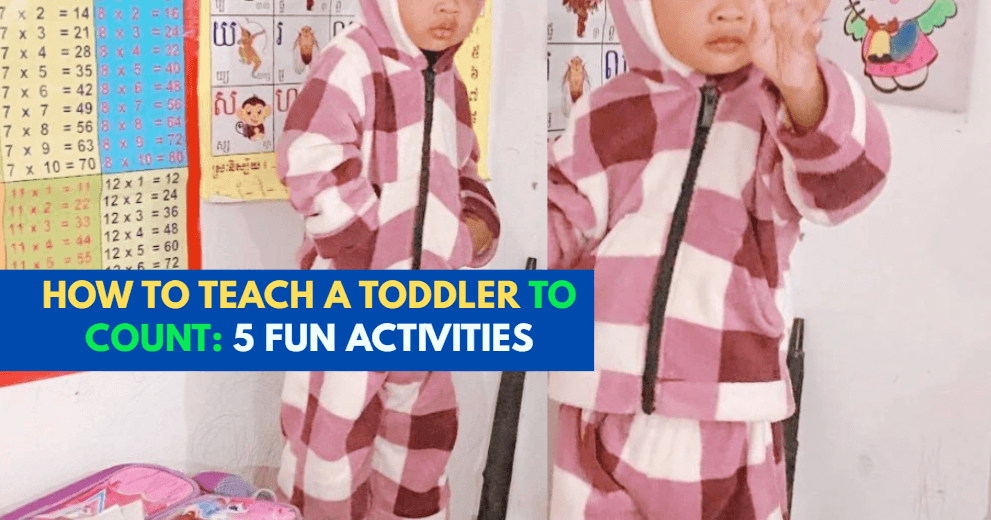
Teaching a toddler to count is one of those parenting moments that’s equal parts hilarious and humbling.
One minute they’re counting perfectly, and the next they’re shouting “one, two, eight, ten!” with total confidence. If that sounds familiar, you’re in the right place.
My two-year-old stands in front of his number chart like he’s leading a university lecture. He waves his hands.
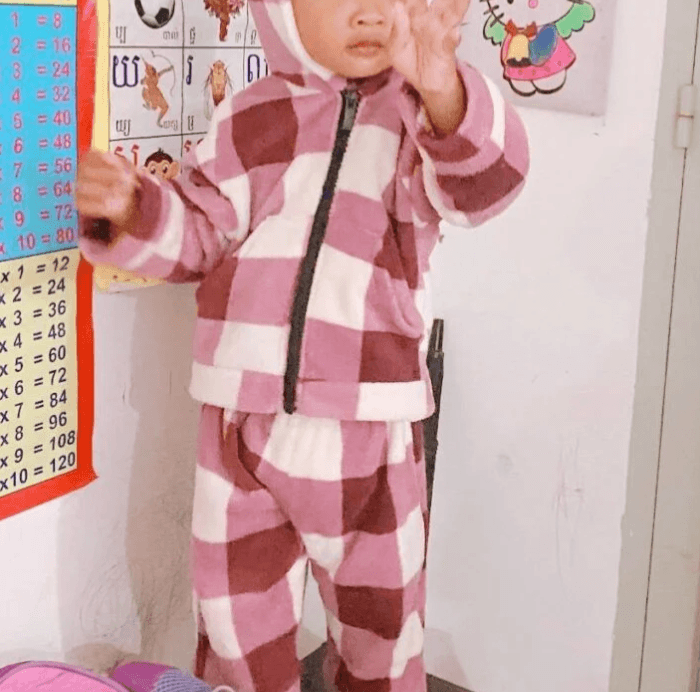
He makes serious faces. But really, we’re just playing with numbers. And that’s exactly how it should be.
Why Traditional Methods Don’t Work for Toddlers
Forget the flashcards. Put away the workbooks.
Toddlers don’t learn by sitting still and repeating things over and over. They learn by touching, moving, and playing.
If you want to teach a toddler to count, you need to make it feel like a game, not a lesson.
The secret? Make numbers part of their everyday world.
The Number Chart Trick (It’s Easier Than You Think)
Here’s something that surprised me: you don’t need expensive learning toys.
I hung a colorful number chart on the wall near my son’s play area. That’s it.
Here’s what happens:
- He sees the numbers every single day.
- They become familiar, like a favorite stuffed animal.
- He starts pointing at them: “Look, Mama! Five!”
- Numbers feel normal, not scary.
This is called environmental learning. When numbers are just a normal part of their environment, kids absorb them naturally.
No pressure. No tears. Just curiosity.
Counting Games for Toddlers: Use Their Hands
Want to know the best teaching tool you already own? Your hands.
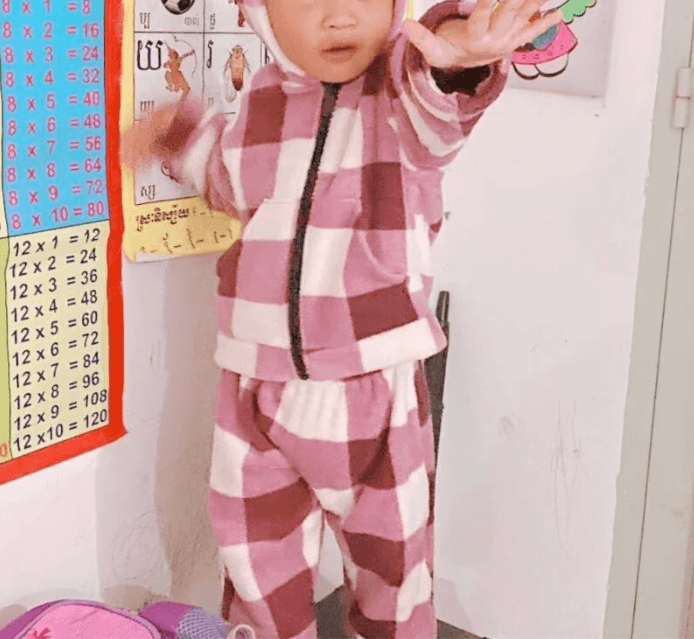
Toddlers are physical learners. They need to feel and do, not just listen. That’s why simple finger counting works so well at this age.
Here’s What We Do Every Day:
- High fives for number five. When we count to five, we clap our hands together. It makes him laugh, and he remembers that “five” is something special.
- Finger counting. Yes, it’s hard for little fingers to cooperate. My son struggles to show “three” without all his fingers popping up. But that struggle is actually helping his hand muscles develop.
- The stop hand. We use an open palm for “zero” or “stop.” It gives him a physical way to understand “nothing.”
These simple hand games turn abstract numbers into real, hands-on experiences.
Make It a Game, Not a Test
Here’s where a lot of parents stress out.
You see other kids counting to twenty, and you start to wonder if your child is behind. So you drill them. “What comes after three? Come on, you know this!”
Stop.
Early math skills for toddlers aren’t about memorizing a sequence.
They’re about understanding what numbers actually mean. That “three” equals three crackers. That “two” means two shoes.
Experts call this “number sense,” and it matters far more than reciting words in order.
Our Rules at Home:
- If he counts correctly, we celebrate. Big smiles, high fives, the whole deal.
- If he counts wrong, we celebrate anyway. Because trying is what matters.
- We never force it. If he’s not interested today, we count his toys tomorrow instead.
The goal isn’t perfection. It’s building a love for learning.
Simple Counting Activities You Can Start Today
You don’t need special materials or training. Try these simple ideas using everyday items around your house:
1. Count Everything
Seriously, everything.
- Stairs as you walk up them
- Banana slices at snack time
- Toys, as you put them away
- Toes during bath time
Keep it casual. Keep it fun.
2. Body Part Counting
“How many noses do you have? Let’s count! One nose!”
“How many ears? One, two! Two ears!”
This connects numbers to their own body, which toddlers find absolutely hilarious.
3. Song and Rhyme Time
Remember “Five Little Monkeys” or “One, Two, Buckle My Shoe”?
Those old rhymes work because they combine rhythm, repetition, and movement.
Sing them while doing actions, and your toddler will absorb numbers without even realizing they’re learning.
4. Toy Line-Up Game
Put out five toys and count them together while touching each one. Then hide one. “Uh oh! How many now?”
This is teaching numbers 1 to 5 while also building memory and problem-solving skills.
What to Do When They Get Frustrated
Some days, your toddler will breeze through counting. Other days, they’ll refuse to even look at numbers.
That’s completely normal.
Toddlers have short attention spans and big emotions. If counting time turns into meltdown time, just stop.
Try again tomorrow with a different approach.
Maybe today they don’t want to count fingers. Fine. Count their favorite toy cars instead.
The key is keeping it pressure-free. The moment it feels like work, they’ll shut down.
How Long Does It Take?
Every child is different.
Some toddlers count to five at eighteen months. Others take until they’re three. Both are perfectly normal.
What matters more than speed is that they’re building positive associations with numbers.
When counting feels like a fun game instead of a scary test, they’ll naturally want to learn more.
The Real Goal: Loving Numbers
When my son stands in front of his number chart waving his hands like a tiny professor, I honestly don’t care if he’s counting correctly.
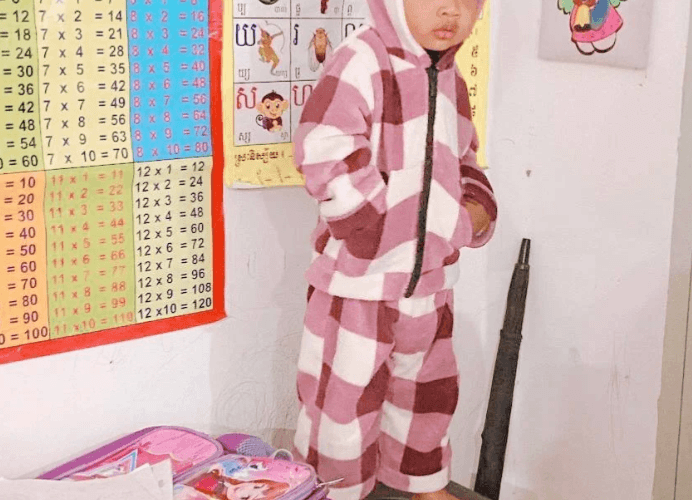
What I care about is that he’s excited.
He sees numbers and thinks “fun!” not “hard.” That attitude will carry him through actual math class someday. But for now, we’re just playing.
Your Turn: Start Small
If you’re figuring out how to teach a toddler to count, start with just three things:
- Put numbers where they can see them. A chart, magnetic numbers on the fridge, anything colorful works.
- Use their hands. Fingers are the best counting tool ever invented.
- Keep it playful. Games, songs, and silly voices work far better than serious lessons.
That’s it.
You don’t need expensive apps or complicated curricula.
You just need a playful attitude and a willingness to count toes, snacks, and stuffed animals a hundred times a day. Because that’s how toddlers learn best.
And if your little one counts “one, two, eight, ten” today? Smile and cheer. Tomorrow, they might get it right. Or they might not.
Either way, you’re building something more important than perfect counting. You’re building a learner who loves to try.
Disclaimer: I am a parent and a university educator, not a licensed child psychologist or pediatrician. This guide is based on my personal parenting experience and educational background. Always consult your child’s teacher or pediatrician for professional advice regarding your child’s educational development.
