


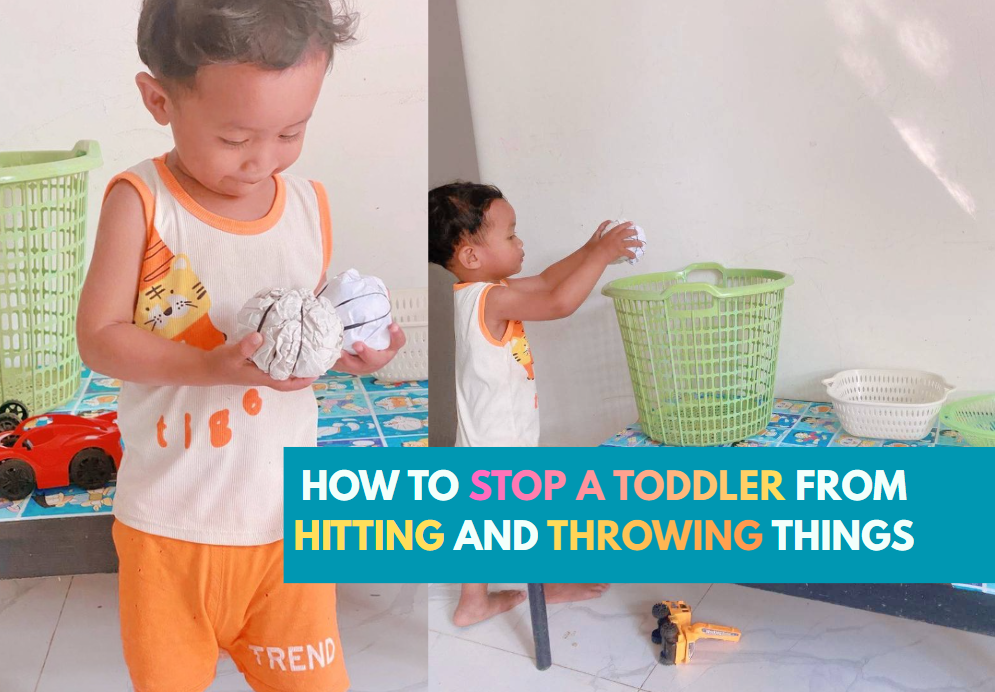
In my day job as a Professor of Human Resources, if someone throws a stapler across the room or hits a coworker, it’s a massive HR violation. But in my home office?
It’s just a Tuesday with my two-year-old.
If your toddler has suddenly started hitting or throwing things at your head, you are not failing as a parent.
The ‘Head of Negotiations’ (my 2-year-old son) recently went through a phase where throwing blocks was his favorite form of communication.
Here is how we applied some serious de-escalation tactics to stop the throwing, based on real experience.
The Root Cause of Toddler “Workplace Violence”
Before jumping into solutions, it helps to understand what’s going on in that little head.
According to the American Academy of Pediatrics, toddlers often lash out because they haven’t developed the self-control to express big feelings through words yet.
Their brains are still growing, especially the part that handles impulses.
When they feel frustrated, excited, or overwhelmed, hitting or throwing is the fastest way they know how to communicate.
Think about it. They can’t say, “Mom, I’m overstimulated and need some space.” So they throw the nearest toy or swat at whoever’s closest.
Common triggers include being tired or hungry, too much noise or activity, wanting something they can’t have, struggling to switch from one activity to another, or simply wanting your attention.
De-Escalation: What to Do in the Moment
Your reaction in that moment matters more than your words. Here’s what actually helps.
1. Stay Calm and Act Fast
A big emotional reaction from you can actually reinforce the hitting. Any attention, even negative attention, can encourage the behavior.
I know it’s hard, especially when it hurts. But take a breath. Your toddler is watching you closely.
2. Stop the Action Immediately
Gently but firmly hold their hand or step between them and whoever they’re going after.
Use a calm, low voice and keep it short: “I can’t let you hit. Hitting hurts.” That’s it. No long explanations. Toddlers tune out after about five words anyway.
3. Show Them What Hitting Does
Get a little creative here. I once took my son’s favorite stuffed toy and gently pretended to hit it while making a soft “ow” sound. Then I said, “See? When we hit, it hurts.
Your poodle is sad now.” His face changed immediately. I could see him actually processing it.

4. Redirect to Something Positive
Give them one simple alternative. “Hands are for gentle touches. Can you show me?” Or if they seem to need a physical outlet, “You can squeeze this pillow instead.”
5. Remove Yourself or the Object
If the hitting keeps going, skip the lecture and just act. Calmly say, “I’m going to move away because hitting hurts,” and step back for 30 seconds. Short, clear, consistent.
How to Stop a Toddler From Throwing Things
Here’s something that might surprise you: throwing is actually a developmental milestone. Your toddler’s brain is literally wired to practice it right now.
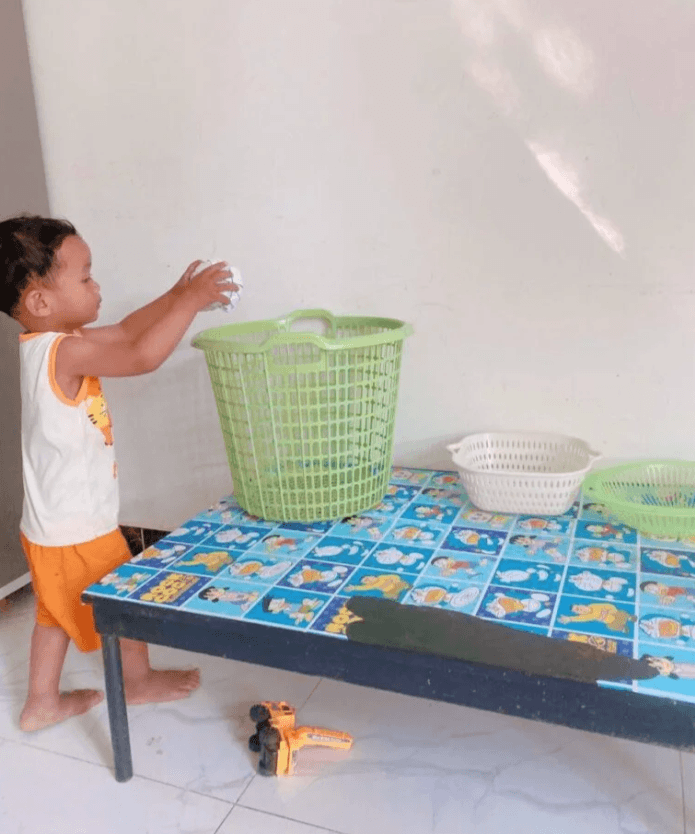
So instead of trying to stop it completely, the goal is to make it safe.
Create a Throwing Zone
Set up a spot where throwing is allowed and even encouraged. It doesn’t need to be fancy.
We use a laundry basket and homemade balls made from crumpled paper or rolled-up socks.
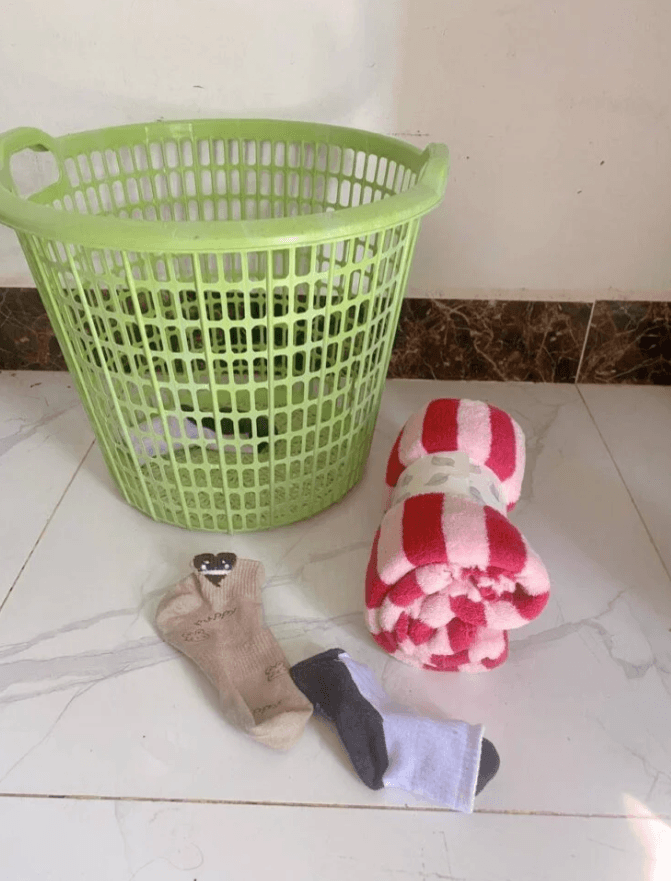
Give them a few minutes of throwing time two or three times a day.
When they throw something unsafe, redirect them calmly: “Toys aren’t for throwing at people, but you can throw these paper balls into the basket. Want to try?”
The One-Minute Toy Time-Out
When they throw a toy dangerously, calmly say, “This toy needs a rest for one minute because we don’t throw at people.”
Take it away, set a timer, give it back when it goes off. No lecture needed.
Training Better Communication (Instead of Punishing)
Punishment doesn’t work well with toddlers. Their brains aren’t developed enough yet to connect harsh consequences with what they just did.
Focus on teaching what to do instead.
Teach Simple Words They Can Use
When your child is calm, not in the middle of a meltdown, practice a few simple phrases like “help, please,” “my turn,” or “stop.” Keep it playful.
My son and I play a game where I take one of his toy cars, and he has to say “my turn” to get it back. When he does, I make a big deal out of it: “You used your words! Here you go!”
Catch Them Being Good
This one is huge. When you see gentle hands, say something right away: “Wow, such gentle touches. You’re being so kind.”
Toddlers repeat what gets positive attention. If we only react when they hit, they learn that hitting is how they get noticed.
Preventing Hitting and Throwing Before It Starts
Watch for Trigger Times
Keep a mental note of when hitting happens most. Is it always before naptime? After daycare?
For us, the danger zone is that hour before dinner when my son is tired, hungry, and running on fumes.
Now I make sure he has a snack around 4 PM, and I keep things low-key during that stretch.
Fill Their Attention Tank
Sometimes hitting is just a really annoying way of saying, “Hey, notice me.”
Giving my kids 5 to 10 minutes of focused attention before I need to start dinner actually reduces behavior problems.
Get on the floor, play whatever they want, be fully present. It works.
A Simple Two-Week Plan
Trying to change everything at once is overwhelming.
Here’s a focused approach instead.
- Week 1: Pick one phrase and use it consistently. Set up a throwing zone with a basket and paper balls. Start practicing one replacement word, like “help” or “my turn.”
- Week 2: Keep doing all of the above. Add the one-minute toy time-out for unsafe throwing. Track when hitting happens most and adjust their schedule if it helps.
Learning how to stop a toddler from hitting and throwing things isn’t about finding one magic trick.
It’s about staying consistent, keeping your cool most of the time, and teaching them better ways to handle big feelings.
Some days you’ll nail it. Other days, you will get a toy car bounce off your shin. Both are just part of the process.
The hitting will stop. Your toddler is just learning to navigate a really big world with a really small vocabulary.
Stay consistent, protect your boundaries, and remember—you are the adult in the room (even when you don’t feel like it).
Disclaimer: I am a parent and a university educator, not a licensed child psychologist or pediatrician. This guide is based on my personal parenting experience and educational background. Always consult your child’s teacher or pediatrician for professional advice regarding your child’s educational development.
