


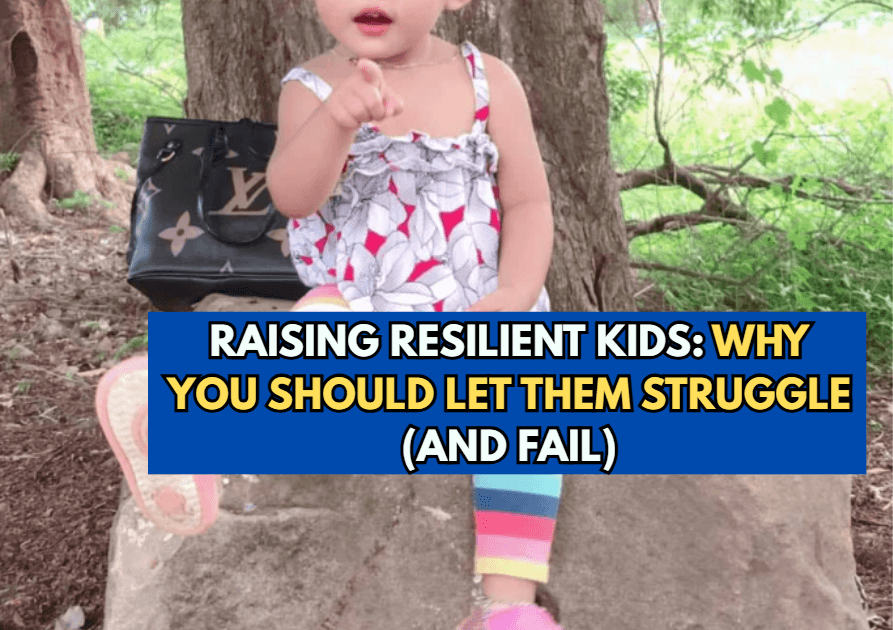
I’ll never forget the day my three-year-old daughter taught me one of the most important parenting lessons of my life.
We were visiting Ek Phnom Temple in Battambang, Cambodia. Hot Sunday afternoon.
My wife and I were walking around the ancient ruins with our little girl, who was wearing her favorite colorful leggings.
Everything was calm and easy until she spotted something that stopped us in our tracks.
A rock.
To me, it was just a dirty stone sitting under a tree. Nothing is worth a second look.
But to my daughter, it might as well have been a mountain. And she decided, right then and there, that she was going to climb it.
When Parents Say “No” (And Why We Do It)
My first reaction was automatic: “No.”
I looked at that rock and ran through every reason she shouldn’t go near it. Too dirty.
Too big for her tiny legs. What if she fell? What if she got hurt?
“It’s too dirty,” I told her firmly. “It’s too high. Let’s keep walking.”
I thought I was being a good dad. I thought I was keeping her safe.
But toddlers don’t always listen to logic. And sometimes, honestly, that’s a good thing.
What Happened When I Stepped Back
She ignored me completely. Walked straight up to that rock and tried to climb it.
She failed.
Tried again, little arms straining, legs scrambling for grip.
Failed again.
Every part of me wanted to scoop her up and carry her away from the frustration, the dirt, the struggle. But something made me stop.
Maybe it was the look on her face. Maybe it was my wife’s glance that said, quietly, “Let her try.”
So I stood back and watched.
On her third attempt, with just a brief hand from my wife to steady her for a second, my daughter scrambled up the side of that rock.
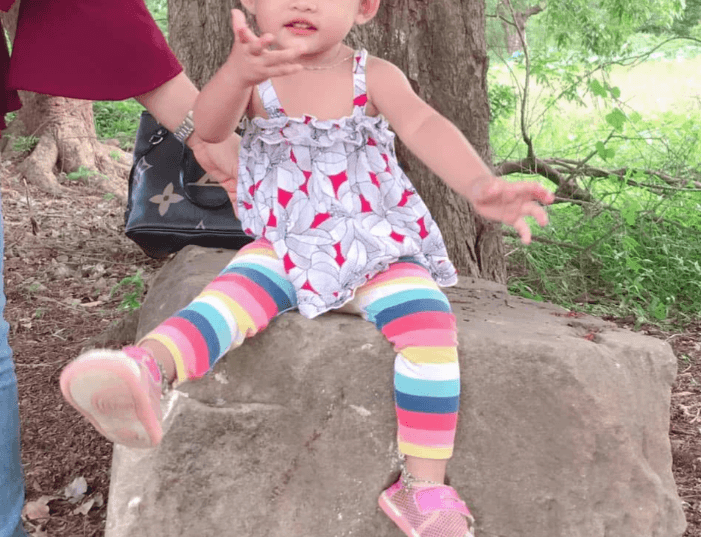
Got her knee on the ledge, pulled hard, and made it to the top.
She sat down, brushed the dust off her leggings, and looked straight at me.
That’s when she taught me everything I needed to know about how to build confidence in children.
The Message in Her Eyes
Sitting on top of that rock, she held up five fingers. To anyone passing by, it looked like a wave. But I knew what she meant.
She had just experienced the freedom to try, fail, and figure it out on her own.
When she pointed that finger at me, it felt like a reminder: ‘Dad, don’t underestimate me just because I’m small.
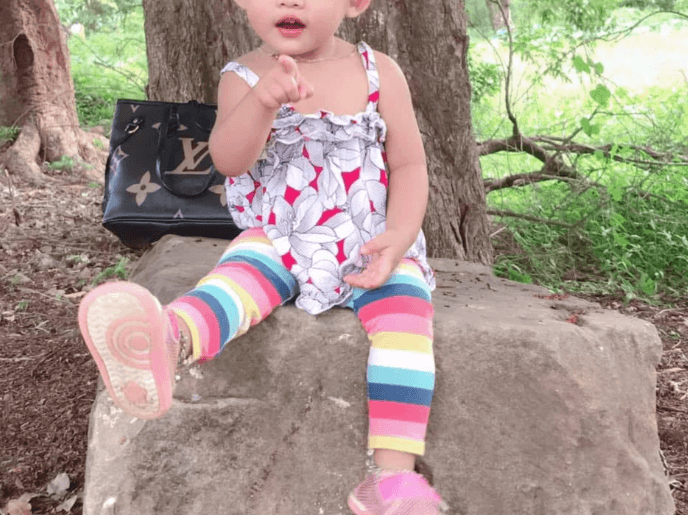
Right then, something clicked. She didn’t see a dirty rock.
She saw a challenge. And by trying to pull her away from it, I wasn’t protecting her from danger. I was protecting her from growth.
Why Letting Kids Fail Builds Real Resilience
That afternoon in Battambang taught me what I probably should have already known: kids actually need to struggle sometimes.
When we rush in to rescue our children from every difficult moment, we accidentally send them a message they never forget: “I don’t think you can do this.” We mean well.
We love them. But what we’re actually doing is stopping them from discovering what they’re made of.
Watching her sit up there, I realized exactly why all those parenting books tell us to let our kids struggle. When we step back, a few things happen:
- They learn to problem-solve. My daughter didn’t quit after the first fall. She adjusted, tried a different approach, and kept going. No amount of parental instruction teaches that the way real experience does.
- They build genuine confidence. Confidence doesn’t come from being told you’re capable. It comes from actually doing hard things. When my daughter climbed that rock, she proved something to herself, not to me.
- They develop a growth mindset. Kids who are allowed to struggle start to understand that failure isn’t the end. It’s just part of the process. “I can’t do it yet” becomes very different from “I can’t do it ever.”
- They become more resilient. Resilience isn’t something kids are born with. It’s built through experience, specifically through facing something hard and coming out the other side.
How to Let Your Child Struggle Without Rescuing Them
I know the question already forming in your head: “But how do I know when to step in and when to step back?”
It’s one of the hardest calls in parenting. Here’s what I’ve learned.
Ask yourself: Is this actually dangerous?
The rock my daughter climbed was knee-high to me. If she fell, we were looking at a scraped knee and some tears. Manageable.
Before you say no, take a breath and assess the real risk.
Is your child in actual danger, or are you just uncomfortable with the mess, the effort, or the possibility that they might fail?
Give them space to try first
Sometimes the best thing you can do is simply step back and watch.
Stay close in case they genuinely need you, but resist jumping in the moment things get hard.
When you give kids space to work through a problem, you’re telling them something powerful: “I believe you can figure this out.”
Offer support, not solutions
My wife didn’t climb the rock for our daughter.
She steadied her for one second, just enough to keep her safe, not enough to do the work for her. That’s the sweet spot.
Be available, be encouraging, but let your child be the one who gets to the top.
Celebrate the effort, not just the win
Whether they succeed or fall short, recognize the courage it took to try. “You worked so hard on that” lands deeper than “You’re so smart.”
When we praise effort over outcome, we help kids build a growth mindset that stays with them for life.
A Lesson from Traveling with Kids
Travel has given me so many chances to practice stepping back and letting my daughter explore, struggle, and figure things out.
There’s something about being somewhere new that makes both parents and kids a little more willing to take a chance.
That day at Ek Phnom Temple, surrounded by old stones and Cambodian heat, I learned that raising resilient kids means getting comfortable with being uncomfortable yourself.
Yes, my daughter got dirty. Her leggings were covered in dust. Her hands needed washing. But she also walked away with something no amount of careful parenting could have given her: real, earned, unshakeable confidence.
If I had forced her to walk away from that rock, she would have stayed clean. But she wouldn’t have grown.
The Best Feeling a Father Can Have
Looking back at the photos from that day, I see a three-year-old pointing her finger at me with complete certainty in her eyes.
She’s eight now. She still has that same determination.
And being “wrong” that day? Honestly, it was the best feeling I’ve ever had as a dad.
Because I didn’t protect her from effort. I let her find out what she was capable of. And she reminded me that our job as parents isn’t to keep our kids from facing hard things.
It’s to believe in them while they face those hard things.
So the next time your child wants to climb the rock, literal or otherwise, take a breath.
Check the real danger. And if it’s safe enough, step back.
Let them try. Let them fail. Let them try again.
You might be surprised by what they can do when you actually believe they can do it.
What That Dusty Rock Taught Me
Building confidence in children isn’t about more praise or more protection. It’s about presence and patience.
It’s about giving them safe spaces to take risks, make mistakes, and find their own strength.
Why letting kids fail matters isn’t always obvious in the moment, especially when you’re watching your toddler struggle with something that looks impossible.
But years later, you’ll see what those small moments of struggle actually built: kids who believe in themselves, who aren’t afraid of a challenge, and who know that failure is just part of learning.
That dusty rock under a tree in Cambodia was never really about the rock.
It was about learning to let go, trust the process, and watch my daughter become exactly who she was meant to be, one small, determined climb at a time.
Disclaimer: I am a parent and a university educator, not a licensed child psychologist or pediatrician. This guide is based on my personal parenting experience and educational background. Always consult your child’s teacher or pediatrician for professional advice regarding your child’s educational development.
