


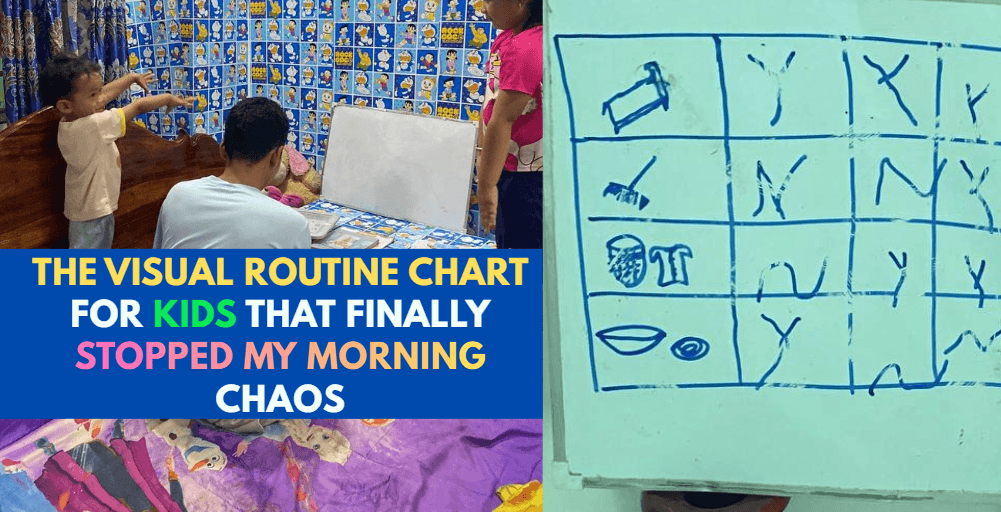
If you want to turn a peaceful morning into pure stress, just start firing off tasks the second your eight-year-old opens their eyes.
“Did you make your bed?”
“Did you brush your teeth?”
“Did you do your reading?”
By question five, you sound like a drill sergeant, and your child has completely checked out.
If you are searching for a way to stop nagging your child about chores, you are not alone.
Most parents hit a wall with the same approach: remind, repeat, remind again. It rarely works.
I work in Human Resources, and one thing HR gets right is this: verbal micromanagement kills morale and rarely gets results.
The same thing happens at home.
If you want your child to actually own their daily responsibilities, you need a system they can run themselves, not one you are running for them.
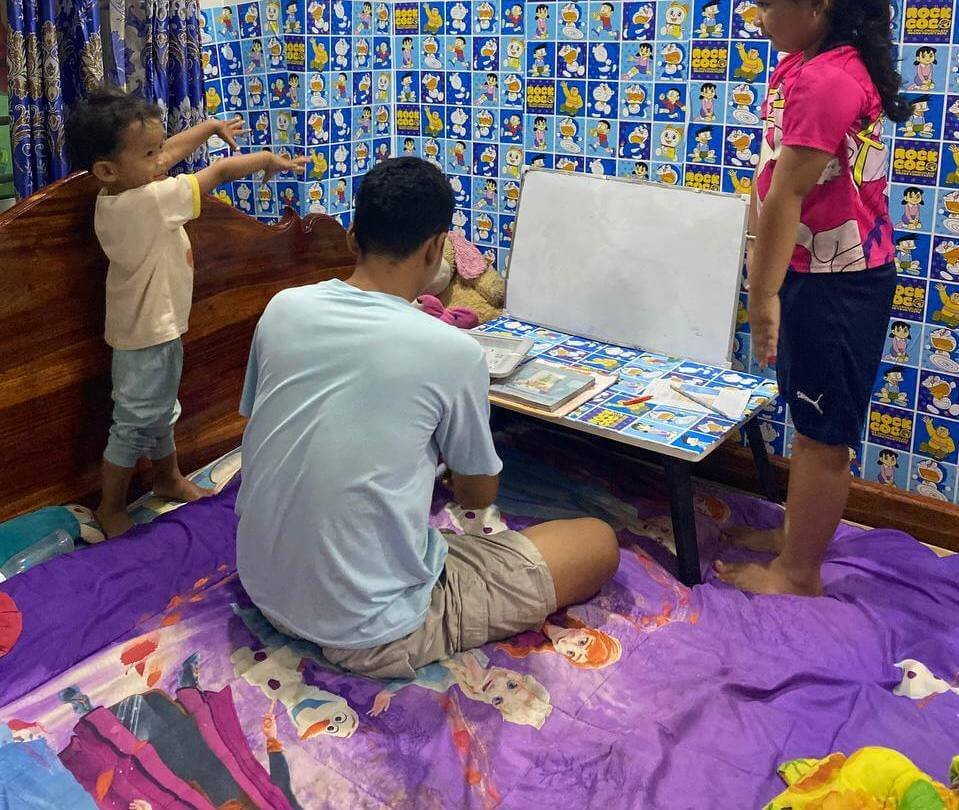
Here is the actual visual routine chart for kids we put together at home.
It is not fancy, but it has genuinely cut the morning nagging, built real habits, and given my eight-year-old daughter a real sense of personal accountability.
Why Written Checklists Do Not Work for Most Kids
The first thing most parents try when building a morning routine for kids is a written checklist.
It seems logical.
Write down the tasks, stick them on the fridge, and walk away.
Here is the problem: after six hours of school, reading another list of instructions feels like more homework.
Your child glances at it once and never looks again.
Text-heavy checklists also put the responsibility in the wrong place.
The chart just sits there. Your child just sits there.
Nothing actually changes.
This is why a picture-based routine chart for kids tends to work far better than written instructions, especially for children aged five to ten who are still developing their reading habits.
How a Visual Routine Chart for Kids Changes Everything
We ditched words entirely and built a visual schedule using a simple whiteboard kept right next to her bed, propped on two small wooden vases.
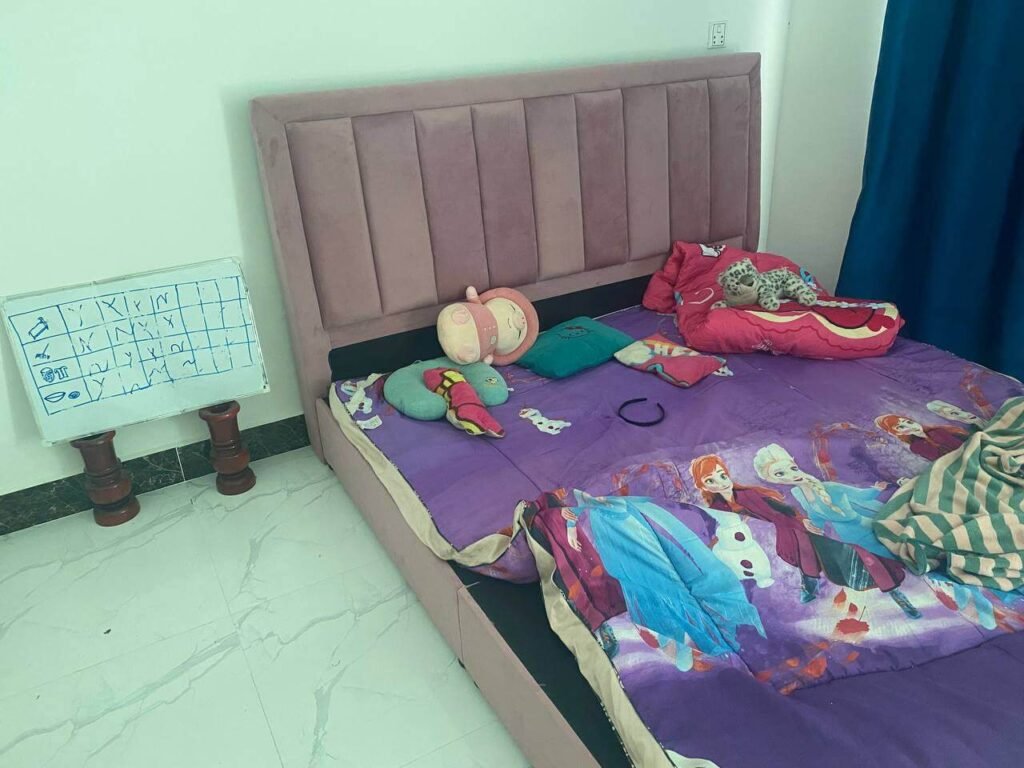
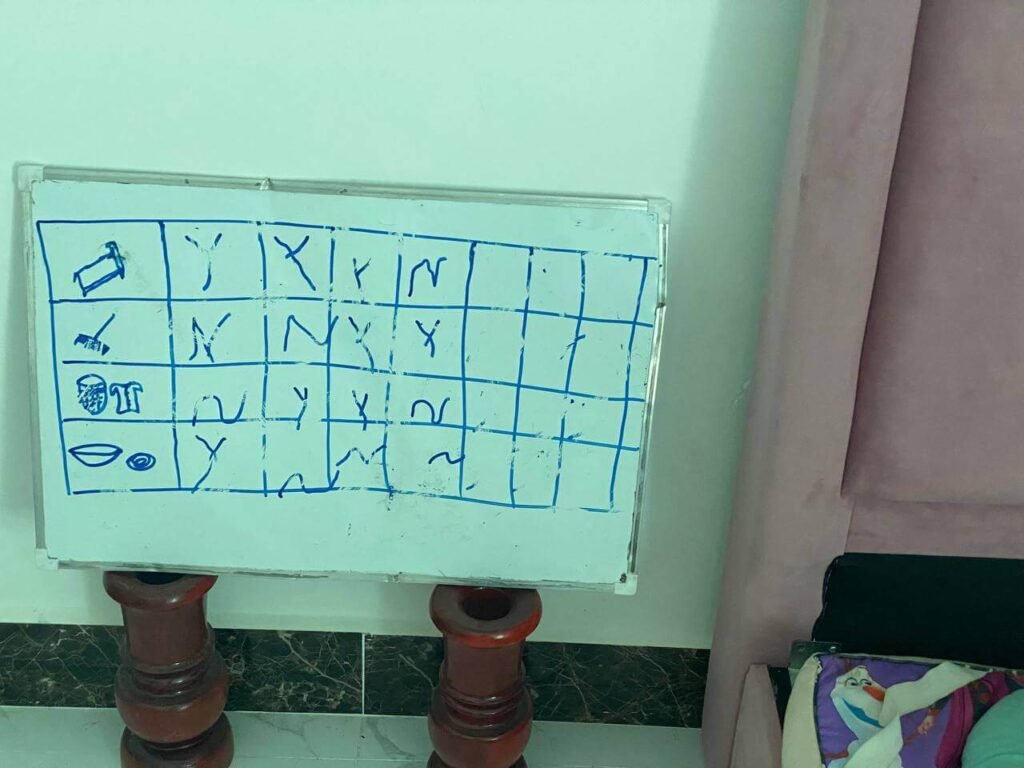
Instead of written instructions, I draw pictures.
A broom means to sweep the floor.
A bed means make it.
A basket means put away laundry.
I am no artist. My broom looks a bit rough, and the bed drawing is pretty basic.
But she knows exactly what each one means.
That one change shifted everything.
The whiteboard morning routine for kids works because it is visual and immediate.
Our chart is divided into a simple grid. Each row is a picture of a task.
Each column is a day.
At the end of each day, she fills it in herself with a blue marker.
If she did the task, she writes a Y. If she skipped it, she writes an N.
It is no longer me telling her what to do.
It is her looking at her own daily responsibility chart and deciding what comes next.
Building a Daily Responsibility Chart That Goes Beyond Chores
A good responsibility chart for kids should go beyond sweeping floors and making beds.
Teaching kids responsibility at home means covering the full picture of a child’s development.
Our daily schedule at home covers three areas: life skills, cultural values, and academic development.
Teaching Manners Through Roleplay, Not Lectures
We live in Cambodia, where the Sampeah, the traditional gesture of raising joined palms to show respect to elders and teachers, is a meaningful part of daily life.

Simply telling a child to be polite does not stick.
Abstract instructions rarely do.
In HR training, we do not just lecture employees on how to handle customers.
We run them through real scenarios.
I use the same approach at home.
Every morning before school, my daughter puts on her pink backpack and her Elsa dress, and we pretend our front door is the school gate.
I play the teacher.
She stands by the door and practices the Sampeah before walking through.
It takes about sixty seconds.
Building good manners through routine and repetition is one of the most underrated life skills you can give a child.
It takes longer than a lecture, but it actually sticks.
How to Stop Nagging Your Child About Homework: Make It Feel Like a Game
If you are wondering how to stop nagging your child about homework, the honest answer is you need to make the work feel less like work.
That is how you build habits in kids without nagging.
Because English is my daughter’s second language, daily practice is not optional.
But sitting alone at a desk doing drills after school is a fast track to burnout and tears.
So we turn it into a game.
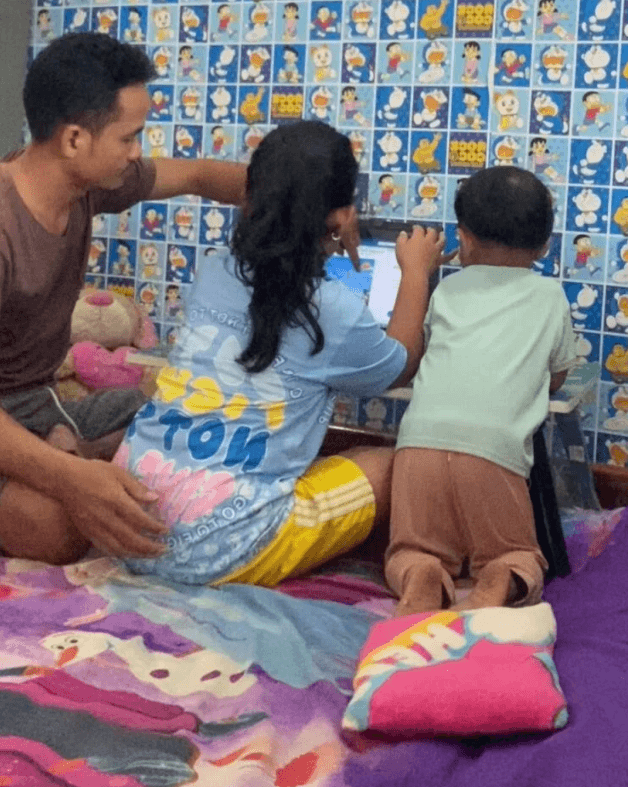
We use online educational games, and instead of leaving her to do it alone, we do it together.
We sit on the bed with the laptop, and she practices letters or phonics while her little brother watches.
I stay with her for ten to fifteen minutes.
The goal is consistent forward progress, not long sessions that make her dread tomorrow.
Keeping sessions short and fun is one of the simplest parenting tips for building a daily routine that children actually want to follow.
The Part Nobody Talks About: Accepting the N Days
Looking at a morning routine chart for an eight-year-old, you might picture a perfectly organized child completing every task with a smile, every single day.
Let me be honest with you, as both a dad and an HR professional: that is not what happens.
My daughter completes somewhere between 40 and 60 percent of her chart on any given day.
Her bed is sometimes made.
Some mornings her chores are a mess.
There are weeks where the whiteboard has far more N columns than Y columns.
And that is okay.
If you go into this expecting 100 percent from an eight-year-old, you will exhaust yourself and quietly break the whole system.
The visual routine chart is not a performance tracker. It is a habit-building tool.
The goal is not perfection.
The goal is awareness.
She is learning to look at her own record and notice patterns.
She is learning that missing a task does not erase her.
It just means she tries again tomorrow.
That mindset is worth far more than a perfect row of Y marks.
How to Teach Kids Responsibility at Home: The Real Bottom Line
Most parenting tools try to hand everything to the child immediately.
Give them a list, walk away, hope for the best.
But true kids’ independence does not work that way.
Whether we are roleplaying the Sampeah at the front door or sitting on her bed working through phonics together, the goal is to show up alongside her.
The visual schedule gives her the ownership, but we still provide the support.
Teaching kids responsibility at home is not about finding the perfect chart or the most detailed daily schedule.
It is about building a system your child can trust, and that takes the pressure off you to repeat yourself every single morning.
The whiteboard costs almost nothing.
The pictures are rough. But the results are real.
If you are tired of nagging, stop repeating yourself and start building a visual routine your child can own.
Frequently Asked Questions
At what age should kids start using a morning routine chart?
Children as young as three can benefit from a simple visual routine chart. For toddlers, limit the chart to three or four picture-based tasks like getting dressed, brushing teeth, and putting on shoes.
By age five or six, most children can follow a six-task chart independently. The key is to match the number of tasks to your child’s attention span, not their age alone.
Why do chore charts stop working after a few weeks?
Most chore charts fail because the novelty wears off and parents stop updating them. A chart your child helped design will last longer than one handed to them.
Switching to a picture-based or whiteboard morning routine for kids resets engagement because it feels interactive rather than instructional. Review and refresh the chart every four to six weeks to keep it relevant.
How many tasks should be on a visual routine chart for kids?
For children aged five to eight, aim for five to eight tasks per day. For kids aged eight to twelve, you can include up to ten tasks covering chores, self-care, and one learning activity.
Fewer tasks done consistently beat a long list that overwhelms your child. Start small, build the habit, then add tasks gradually once the routine feels natural.
What is the difference between a chore chart and a responsibility chart?
A chore chart typically lists household tasks only, such as sweeping, doing dishes, or taking out the trash. A daily responsibility chart for kids is broader. It includes life skills, self-care habits, study tasks, and values-based activities alongside household chores.
A responsibility chart teaches children that contributing to a family means more than just cleaning up.
How do I get my child to follow a routine without reminding them every day?
The fastest way to stop nagging your child about chores is to make the chart their job, not yours. Place the visual routine chart at their eye level in their bedroom. Let them mark their own progress daily. Your role shifts from reminder to reviewer.
Check in once at the end of the day rather than prompting every single task. Ownership is what builds the habit, not repetition from you.
Should I reward my child for completing their routine chart?
Tangible rewards like stickers or extra screen time can work short-term, but often undermine long-term motivation. A better approach is to let the chart itself be the reward system. Seeing a full row of Y marks gives children a natural sense of accomplishment.
Specific verbal praise tied to the behavior, such as noticing they checked their chart without being asked, is more powerful than prizes for building lasting kids’ independence.
Can a visual routine chart help kids with ADHD or anxiety?
Yes. Visual schedules are especially effective for children with ADHD, autism spectrum traits, or anxiety because they reduce uncertainty. When a child knows exactly what comes next, they experience less decision fatigue and fewer meltdowns during transitions.
A picture-based daily schedule for kids with ADHD works best when paired with a consistent time and location for reviewing the chart each morning.
How do I handle it when my child keeps skipping tasks on the chart?
First, resist the urge to nag. A missed task is information, not a failure. Sit with your child weekly and look at the pattern together. Ask them which tasks feel hard and why.
Sometimes a task needs to move to a different time of day, be broken into smaller steps, or be replaced with something more age-appropriate. The goal of a morning routine chart is awareness and habit building, not a perfect score every day.
Disclaimer: I am a parent and an HR/education professional, not a licensed child psychologist or occupational therapist. This guide is based on my personal parenting experience. Always consult your child’s pediatrician for professional advice regarding your child’s behavioral development or potential sensory processing issues.
