


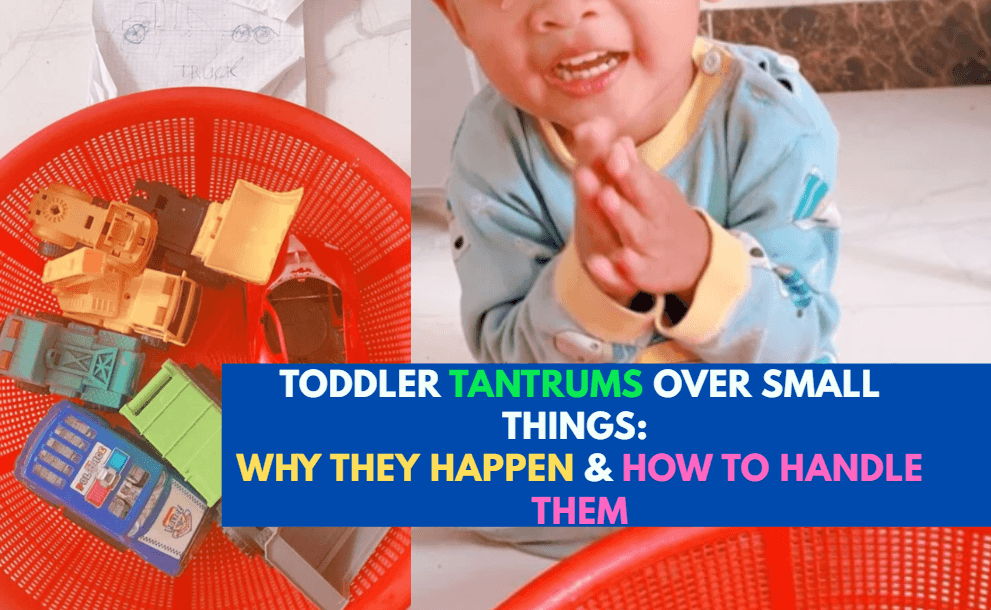
This morning at 7:45 AM, my 2-year-old had a full meltdown.
He was not hurt.
He was not hungry.
No one had taken anything from him.
He was crying because one yellow car was missing from his toy basket.
If you want to put it in work terms, he ran his morning inventory check and found a critical shortage.
If you are a parent dealing with a toddler tantrum over small things that seem completely minor to you, you are not alone.
Here is what happened in our house that morning, and what I learned from it.
The Missing Yellow Car
My son has a morning routine.
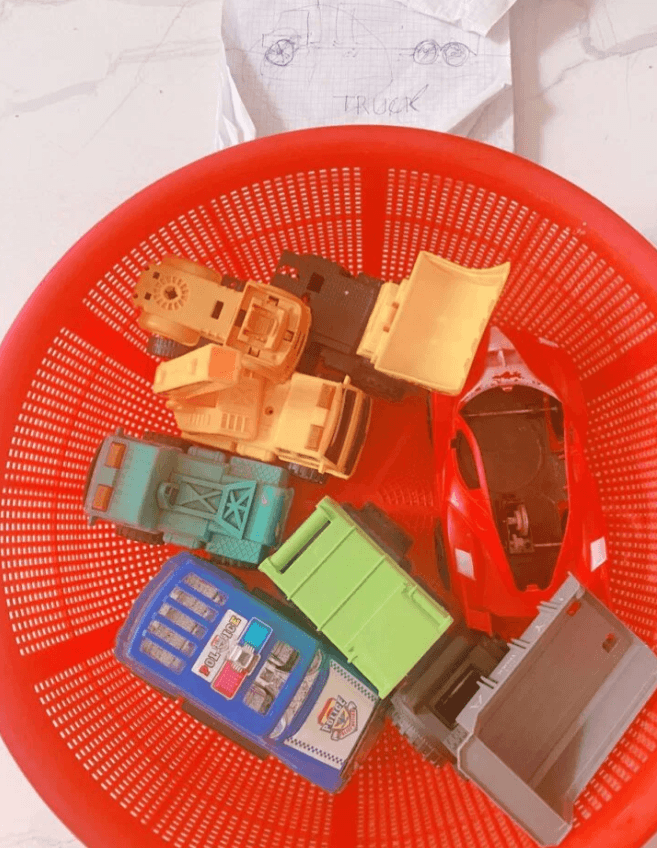
The moment he wakes up, he walks straight to his red toy basket, where he keeps all his cars and trucks.
Most mornings, he is happy.
He digs in and starts playing right away.
But today, something was off.
He looked into the basket.
Paused. Looked again.
One yellow excavator was missing.
The Failed Inventory Audit (aka The Meltdown)
I did not know a 2-year-old could look that stressed until this morning.
He literally held his head in his hands like someone who had just lost their wallet.

He was not throwing a fit over candy or screen time.
He was genuinely distressed because something in his world was not right.
Submitting a Ticket to Management
When he could not find the car on his own, he came to me.
He pointed at the basket.
He pressed his hands together almost like he was begging.
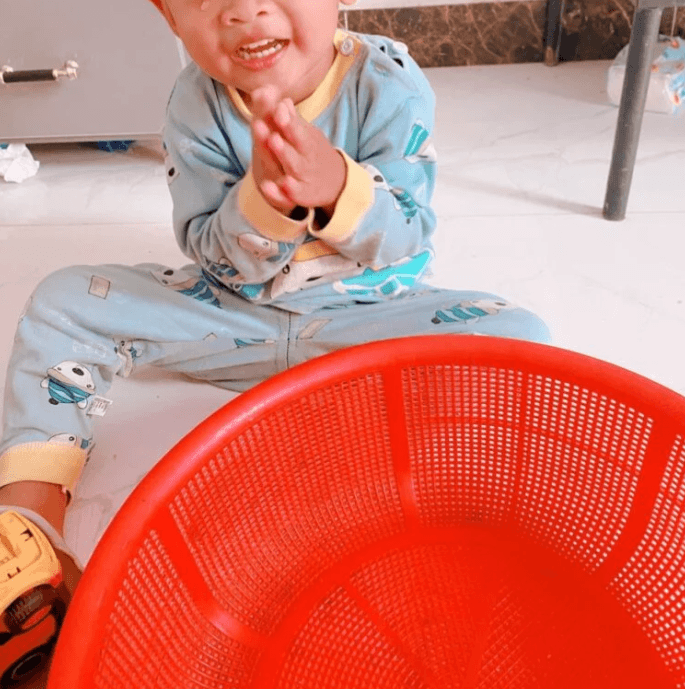
His eyes were full of tears.
He was not just crying randomly.
He was trying to communicate his frustration the only way he knew how: by showing me that something was wrong and that he needed help.
The Parent Panic Phase (And What Did Not Work)
Before I figured out the yellow car was missing, I ran through the usual parent playbook.
If you have a toddler, you know exactly what this looks like.
First, distraction.
I grabbed the blue police car and zoomed it across the floor, making siren noises.
He looked at me like I had lost my mind and slapped it away.
Apparently, offering the wrong car was a personal insult.
Then I tried snacks. Banana? Cracker? Juice?
He shook his head so hard I thought he would get dizzy.
That was my second clue that this was not a typical 2-year-old tantrum over nothing.
Usually, a cracker solves about 90% of our morning problems.
Not today.
It was not until he did that pleading hand gesture that I finally stopped trying to fix things with food and distractions and actually paid attention to what he was showing me.
Finding the Root Cause
I asked him, “What is wrong, buddy?” He pointed at the basket again.
I looked inside.
To me, it looked full.
Blue police car, green truck, red race car, plenty of others.
But to him, the basket was incomplete.
Then it clicked.
The night before, he had taken the yellow excavator to bed with him.
It was not lost. It was just in his room.
I walked in, found it under his pillow, and brought it back.
The crying stopped immediately.
He smiled, clapped his hands, and carefully placed the yellow car back in the basket where it belonged.
Everything was right again.
Why Does One Missing Toy Cause a Toddler Meltdown?
Toddlers have big feelings inside small bodies, and they often lack the words to explain what is wrong.
When something feels out of place in their world, behavior is the only tool they have.
That is why a single missing toy can completely crash the whole morning. It is not dramatic.
It is completely normal behavior for a 2-year-old.
After we both calmed down, I started thinking about why this happened.
Here is what I found out.
1. Toddlers notice details we miss
Young children pay close attention to their environment in ways adults often overlook.
My son knew exactly what belonged in that basket.
When something was off, he caught it immediately.
That is not being overly sensitive.
That is actually a healthy part of toddler emotional development.
Kids this age learn about the world by organizing it, tracking it, and understanding what belongs where.
Toddlers have a natural sense of order that adults tend to underestimate.
2. Routines help toddlers feel safe
The importance of toddler routines cannot be overstated.
A predictable morning gives a young child a sense of security and control over their environment.
Checking his basket was part of his daily workflow.
When the yellow car was not there, his whole morning felt wrong.
This kind of attachment to routine is completely expected toddler behavior at 2 years old, and it is a sign of healthy development, not a problem.
3. They do not have the words yet
An adult can say, “I am stressed because something feels out of place.” A toddler cannot.
So they cry, point, and show us through their behavior.
The tantrum is simply the result of frustration when they don’t have the words yet.
It helps to remember that the behavior is not bad behavior. It is the only language they currently have.
How to Handle a Toddler Meltdown Over a Missing Toy
When a toddler is upset about something that seems small, the best approach is to pause, observe, and follow their lead.
Try to understand what they are pointing at before jumping to solutions.
Most toddler meltdowns over missing items can be resolved quickly once the real problem is identified.
Here is what actually worked for us that morning.
- Stay calm. I know it is hard when you have not had your coffee yet, and your toddler is melting down over a toy car. Staying calm genuinely helps them regulate faster. Take a breath before you react.
- Try to understand before you fix. Instead of jumping straight to distractions, try asking “Can you show me what is wrong?” or “Do you need help finding something?” It shifts the whole dynamic from reactive to cooperative.
- Solve it together. When kids see that problems can actually be fixed, it builds trust. They learn it is okay to ask for help and that big feelings do not have to stay big forever.
- Name the feeling afterward. Once the car was back, I said, “I know you were sad when it was missing. I am glad we found it together.” Naming emotions for toddlers in small moments like this helps them slowly start connecting words to feelings over time.
How to Organize Toddler Toys to Prevent Meltdowns
One of the most effective ways to organize toys is to make everything visible and give it a consistent home.
When kids can see their belongings and know where they belong, they feel more in control.
This directly supports their natural sense of order and lowers the chance of an upset when something seems to be missing.
A few simple changes can really reduce the lost-toy chaos in your home.
- Use clear containers. My son’s red basket works well because he can see everything at once. Clear bins make it easy for toddlers to spot what is there and what is missing before frustration builds.
- Give every toy a home. When each toy has a specific spot, toddlers learn where things belong. It also makes cleanup far easier at the end of the day.
- Do a quick toy check before bed. Make it a two-minute part of the bedtime routine. Put everything back where it belongs. It takes almost no time, and it can save you an entire stressful morning.
The next time your toddler loses it over something that seems tiny to you, think about my son and his yellow excavator.
A tantrum over something small is not random, and it is not manipulation.
Behind every toddler meltdown is a little person trying to make sense of their world, using the only tools they have.
Sometimes they just need someone to help them find what is missing.
Frequently Asked Questions
What if my child still cries even after we find the missing toy?
Sometimes a child crosses a threshold where they are no longer crying about the lost item. They are simply overwhelmed by the emotion itself. In these moments, handing them the yellow car will not fix it right away. Give them physical comfort, sit nearby, and wait for their nervous system to reset before trying to hand them the toy again.
Should I just hide or throw away toys that cause daily meltdowns?
It is incredibly tempting to make the yellow excavator disappear forever. However, removing the toy does not teach them how to handle frustration. It just shifts the problem to the next object. Instead, consider setting up a toy rotation system so the basket is less cluttered. A smaller daily inventory is much easier for their little brains to manage.
When do children usually grow out of these intense reactions?
While every child develops at their own pace, you will typically see a massive shift between ages three and four. As their vocabulary expands and they can clearly tell you what is wrong, their reliance on behavioral communication naturally drops. Until then, those big physical reactions are just a standard feature of their current developmental stage.
How do I handle this if we are running late for daycare or work?
This is the hardest scenario. If you simply do not have time to do a full search for the missing toy, validate their feelings while holding boundaries. You can say, “I know you are so sad the car is missing, but we have to leave right now. We will look for it the moment we get home.” It will likely result in tears in the car seat, but acknowledging their frustration is better than dismissing it.
Disclaimer: I am a parent and an HR/education professional, not a licensed child psychologist or occupational therapist. This guide is based on my personal parenting experience. Always consult your child’s pediatrician for professional advice regarding your child’s behavioral development or potential sensory processing issues.
