


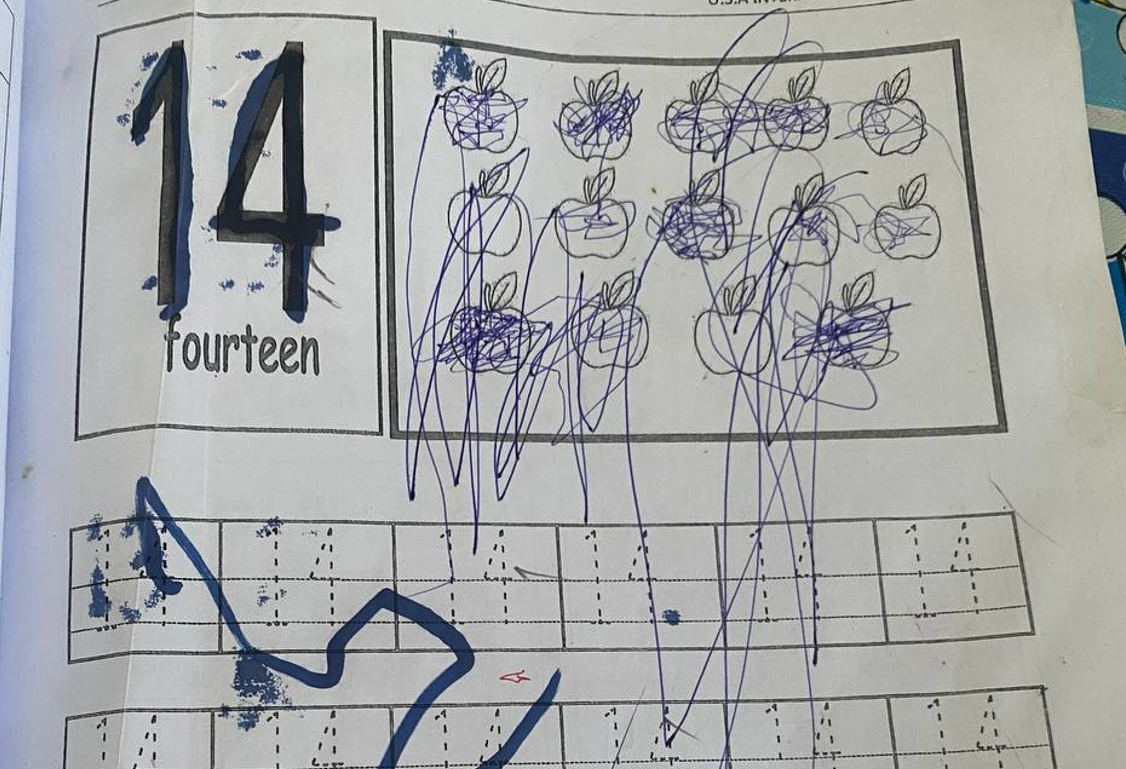
In human resources, when an otherwise capable team member bursts into tears over a routine task, we call it ‘task aversion.’ In my home office, I call it second-grade writing practice.
My 8-year-old ‘Assistant Manager’ loves reading. She picks up math without much trouble. But the second she has to put a pencil to lined paper, the tears start.
Slumped shoulders, crossed arms, and her favorite line: ‘I can’t do it. It’s too hard.’
If your 2nd grader hates writing, you are not alone.
Here is why the physical act of writing causes so much workplace friction for 8-year-olds, and the 5 training strategies that finally rebuilt her confidence.
The Root Cause of “Task Aversion”
Before jumping into solutions, it helps to understand why writing feels so painful for kids this age.
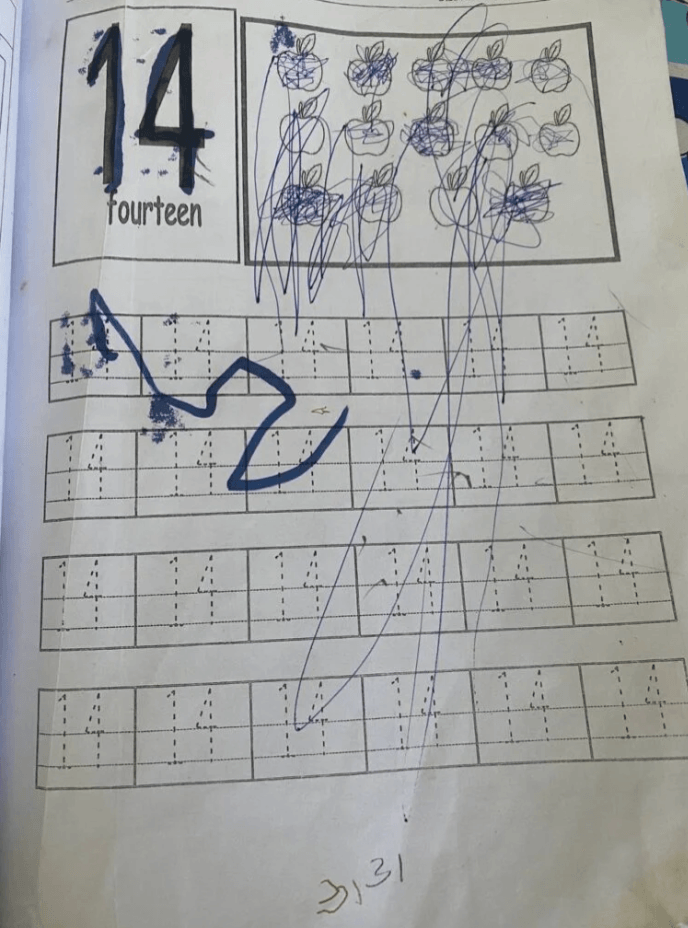
We live in Cambodia, and my daughter attends an international school with an Australian-American curriculum.
The bar is high. By second grade, kids aren’t just learning how to hold a pencil.
They’re expected to write full sentences, keep their letters the right size, and figure out proper spacing all at the same time.
That’s a lot to ask of an 8-year-old who just wants to play outside.
Writing is one of the most demanding tasks a young child can do. It takes focus, patience, and fine motor skills that are still developing at this age.
When a child struggles with even one of those things, the whole experience feels overwhelming. And when it feels overwhelming, they start to dread it.
The good news? There are simple ways to make it better. And no, none of them involve forcing your child to sit at a desk for an hour straight.
Rebuilding Morale: 5 Strategies That Actually Work
The biggest mistake I made early on was pushing my daughter to write perfectly right away. Every time she saw a blank page, she froze.
Her letters ended up all over the place, too big, too small, with no spacing at all.
Once I stopped chasing perfection and started making writing feel doable, everything shifted.
Here are the five things that actually worked for us.
1. Go Back to Tracing, Even in 2nd Grade
I know what you’re thinking. Tracing sheets? She’s not in kindergarten anymore.
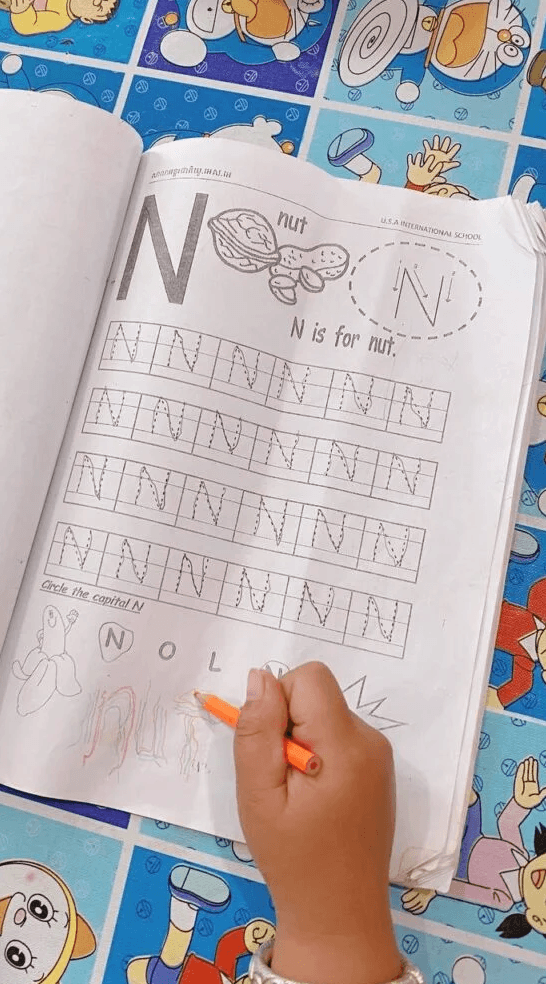
Here’s the thing, though, tracing isn’t baby stuff. It’s actually one of the best ways to build the fine motor skills kids need at this stage.
When my daughter traced letters instead of writing them from scratch, she stopped freezing up.
She had a starting point, and that made all the difference.
Her school workbook has dotted lines built in, but at home, we also print extra tracing sheets, especially ones with a middle dotted line.
That middle line acts like a guardrail. It shows kids exactly how tall their letters should be, which really helps with messy handwriting and spacing issues.
If your child is struggling, don’t be afraid to slow down. Tracing builds confidence, and confidence builds skill.
2. Let Them Scribble. It’s Not Wasted Time.
After about 15 minutes of trying to write neatly, my daughter’s brain is done. That’s usually when the crying kicks in.
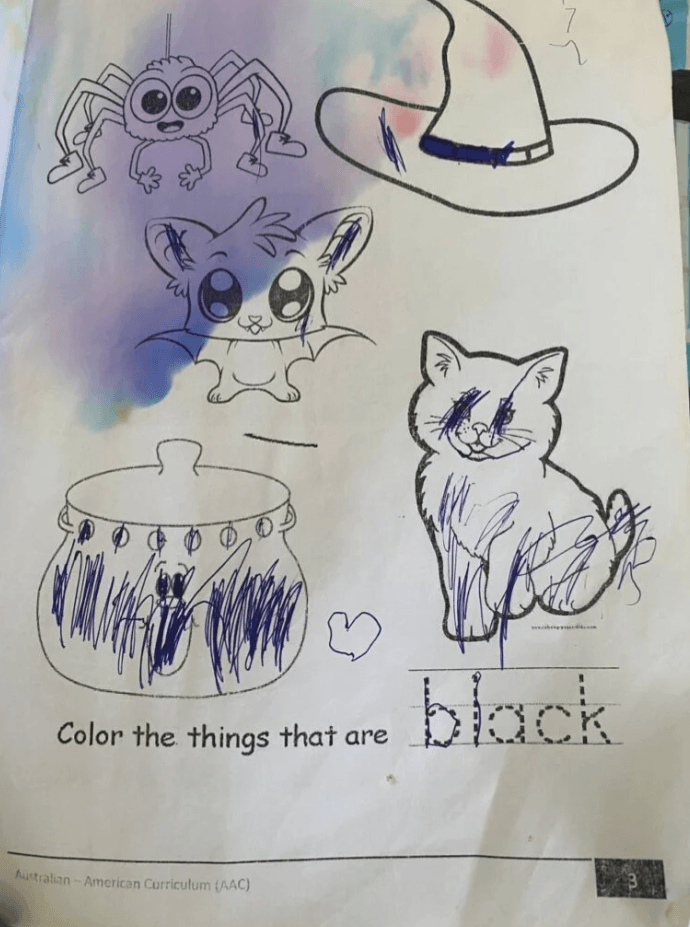
I used to get frustrated when she scribbled all over her coloring pages. But then I did some reading and learned something I hadn’t expected: scribbling is actually a healthy stress release for kids.
It gives their hands and brain a break without them even noticing.
So now we have a simple rule at home: “Work hard, scribble hard.” After every row of handwriting practice, she gets two minutes to color however she wants.
Messy is totally fine. The point is to keep her hand moving and keep writing from feeling like a punishment.
3. Try the Rainbow Writing Trick
This one’s a classic teacher trick, and it works just as well at home.
Here’s how it goes: I write a word in light pencil, her name, a spelling word, whatever she’s practicing.
Then I ask her to trace over it three times, each time with a different colored marker or crayon.
By the end, the word looks really cool and colorful. But the secret is she just practiced writing that word three times without a single complaint.
This is one of my favorite fun writing activities for 2nd graders at home because it turns practice into something that actually feels like play.
4. Use a Timer to Keep It Short
One of the most common things I hear from other parents is: “My child says their hand hurts after just a few minutes.”
That’s completely normal. Writing builds hand stamina over time, and at this age, their muscles are still getting stronger.
Forcing them to sit and write for long stretches only makes them dread it more.
We use what I call the “Commercial Break” method. It’s simple.
Set a timer for 7 minutes. Write as much as you can. When it goes off, stop. No questions asked.
That’s it. Knowing there’s a clear ending point takes so much pressure off.
My daughter actually focuses better now because she knows the hard part won’t last forever.
It’s a low-stress way to build writing stamina gradually without turning homework into a battle every night.
5. Connect Writing to Real Life
Here’s something I wish someone had told me sooner: if writing only happens during homework time, of course, your child is going to hate it.
It starts to feel like just another chore.
The fix was simple. We started weaving writing into everyday life, not as a school task, but as something useful and real.
Now I ask my daughter things like:
- “Can you write ‘eggs’ on the grocery list?”
- “Can you leave a note on the door so Dad remembers his keys?”
- “Want to write a thank-you card for Grandma?”
She loves it. She feels important and helpful, not tested. And without realizing it, she’s practicing writing every single day.
Performance Reviews: Progress Over Perfection
I look at my daughter’s workbooks sometimes, the crossed-out words, the wobbly letters, the eraser marks everywhere, and I remind myself: she’s only 8.
She’s working through a global curriculum, often in a second-language environment. That’s already something to be proud of.
If your 2nd grader has messy handwriting, don’t stress. It doesn’t mean something is wrong; it just means they are still in training.
Use tracing to build their confidence. Let them scribble when they need a break. Keep sessions short.
The goal right now isn’t perfect penmanship. The goal is to make sure they don’t grow up hating the idea of picking up a pencil.
Protect their morale, celebrate the messy progress, and remember—they are only 8.
Disclaimer: I am a parent and a university educator, not a licensed child psychologist or pediatrician. This guide is based on my personal parenting experience and educational background. Always consult your child’s pediatrician or a qualified specialist for professional advice regarding your child’s behavioral or educational development.
