


If you have ever rolled out a perfectly logical plan at work and watched your team push back hard, you are not alone.
Resistance to change at work is one of the most frustrating parts of leadership.
And honestly, my best lesson on handling it did not come from a conference or a management book.
It came at 4:30 on a Wednesday afternoon, while I was watching my toddler try to ride a pink bicycle.

I am a Professor of Human Resource Development by day and a dad the rest of the time.
Those two worlds bump into each other more than you would expect.
And some of the most practical parenting lessons for workplace leadership have come from the most unexpected moments.
The Wednesday Afternoon That Redefined My Leadership Thinking
My 2-year-old son, whom I will call the Head of Negotiations, decided he wanted to ride his older sister’s pink bike.
He did not care about the color.
He cared about one thing: transporting his team, a small fleet of toy police cars, and support vehicles.

He loaded all three cars onto the front of the bike.
As the unofficial Safety Officer of our household, I spotted the problem right away.
Cars near the wheel meant a guaranteed crash.
So I did what any manager would do. I stepped in.
My First Move and Why It Completely Failed
My first move was a classic.
I reached down and moved the cars without saying a word.
My thinking was simple: I know better, and this is not safe.
He burst into tears immediately, refused to pedal, and looked at me like I had just taken away his vacation days.
Here is the thing about resistance to change at work: it is rarely about the change itself.
In my day job, we talk about this all the time.
People do not inherently resist change.
They resist when change is done to them instead of with them.
They feel like they have lost control of something that was theirs.
So I tried again.
I moved the cars to the back seat of the bike, explained it was flat and safe, and thought that would settle it. It did not.
He still refused to move.
My logic was perfect. It did not matter at all.
In his mind, I had broken the whole system.
In under thirty seconds, I had made three management mistakes.
I launched a surprise change without asking for input.
I tried to fix an emotional problem with logic.
And most importantly, I was solving the wrong problem entirely.
Why Employees Really Resist Change at Work
Before I could fix anything, I needed to understand what was actually happening.
The psychology behind why employees resist change is surprisingly simple, and watching my son made it crystal clear.
Resistance is not stubbornness.
It is not laziness.
It is a natural human response to feeling like you have lost visibility, control, or your sense of identity within a new system.
Whether you are a toddler on a bicycle or a senior employee facing a new software rollout, the emotional trigger is the same.
I stopped. Took a breath.
And actually thought about what he needed, not what I thought was best.
Understanding the Real Source of Resistance
Then it hit me.
He is the Police Chief.
His officers need to be where he can see them at all times.
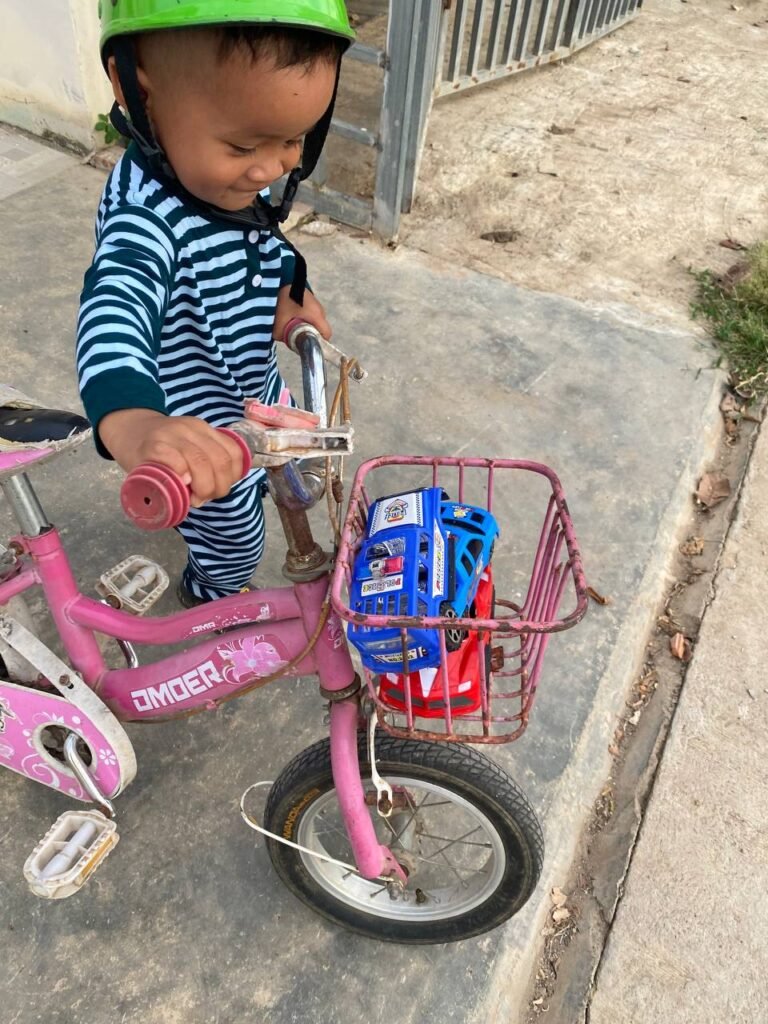
The moment those cars went behind him, they were gone from his world.
Out of sight meant out of command.
His whole sense of control depended on being able to see his team.
He did not need a safer spot for the cars. He needed to feel like he was still in charge.
I picked the cars up and put them in the front basket, right in his line of sight.
He stopped crying instantly, grabbed the handlebars, and started pedaling.
The problem was never the location of the cars.
The problem was that I never asked what he actually needed.
What Toddler Behavior Teaches Managers About Change
It is easy to laugh at a toddler, but adults do the exact same thing when new software or processes get rolled out at work.
This is one of the most overlooked toddler behavior lessons for managers: before you move anything, ask what people need to stay connected to their work.
Think about a typical cloud migration.
A manager moves all local files to a cloud server because it is more secure and efficient.
The employee panics because their folders are no longer sitting on their desktop.
They feel slow and cut off from their own work.
Instead of arguing about server security, a good manager asks one simple question: “What do you need to feel in control here?”
When the employee says they just need to see their files the moment they log in, the manager helps them set up desktop shortcuts that link to the cloud.
Security stays intact.
The employee feels good. Done.
This is the real work of managing resistance to change.
You are not fighting the logic of a new system.
You are restoring someone’s sense of visibility and control within it.
Parenting Lessons for Workplace Leadership: How to Get Real Buy-In
Whether you are rolling out new tools or reorganizing a team, here is what actually works for overcoming resistance to change at work.
- Ask before you act. Before moving a tool, process, or responsibility, ask your team what they need from it. The best solution on paper is rarely what the person using it actually needs.
- Understand what they are afraid of losing. When someone resists, do not write them off as difficult. Ask yourself what they feel like they are losing. Control? Status? A familiar routine? Address that specific fear, not the surface-level pushback.
- Never remove without replacing. If you take something away, give them something equally valuable back. Change feels a lot better when it feels like a trade, not a loss.
- Make sure they can still see their police cars. People need to feel connected to their work. Dashboards, regular check-ins, and clear communication go a long way toward keeping that sense of visibility alive.
How Parenting Makes You a Better Manager
My 2-year-old did not just teach me something about parenting that afternoon.
He gave me a clearer picture of what resistance to change actually looks like up close, and why the usual management instincts often make it worse.
The leadership lessons from parenting are not abstract.
They are immediate, messy, and surprisingly accurate.
Raising young children teaches you to slow down before reacting, to ask better questions, and to remember that logic alone will never win an emotional argument.
Behind every resistant employee is someone who just wants to feel seen, heard, and in control of their own work.
The fastest path to getting genuine employee buy-in is not a better argument. It is a better question.
“What do you need to feel good about this change?”
Ask it. Then actually listen to the answer.
Frequently Asked Questions
Why does team pushback happen during new rollouts?
Employees resist change at work because they feel a loss of control, visibility, or identity within the new system. It is rarely about the change itself. When people feel a change is happening to them rather than with them, resistance is the natural response. Addressing the emotional root cause matters far more than making a stronger logical argument.
How can managers get their staff on board with new processes?
The fastest way to get employee buy-in is to ask one simple question before rolling out any change: “What do you need to feel good about this?” Then listen. People support changes they helped shape. Involve your team early, replace what you take away, and make sure they can still see and feel connected to their work.
What are the emotional root causes of workplace friction?
The most common causes of resistance to change in the workplace are fear of losing control, disruption to familiar routines, and feeling excluded from the decision-making process. Employees are not resisting the change itself. They are protecting their sense of purpose, status, and security. Recognizing this distinction is the first step toward managing resistance to change effectively.
How does parenting make you a better manager?
Parenting teaches you to slow down before reacting, ask better questions, and understand that logic alone cannot resolve an emotional problem. These are core leadership skills. The patience, empathy, and listening habits developed through raising children translate directly into more effective team management, especially when navigating workplace conflict or organizational change.
What are the best leadership lessons from parenting?
The most valuable leadership lessons from parenting include: ask before you act, never remove without replacing, understand what people are afraid of losing, and make sure your team can see and feel connected to their work. Children and employees both need to feel seen, heard, and in control. The management principles that work at home often work in the office too.
What is the best way to handle a team that refuses to adapt?
To overcome resistance to change at work, start by identifying what the person feels they are losing, not just what is changing. Ask for input before launching anything new. Give people a sense of control within the new system through dashboards, check-ins, or visible access to their work. Change feels like progress when people are partners in it, not passengers.
Can toddler behavior teach managers about leadership?
Yes. Toddler behavior teaches managers that resistance is almost always emotional, not logical. A toddler who refuses to cooperate is not being difficult for no reason. They are protecting their sense of control and visibility. The same is true for employees. Before assuming someone is resistant to change, ask what they actually need to feel secure in the new situation.
Disclaimer: I am a parent and a university educator, not a licensed child psychologist or pediatrician. This guide is based on my personal parenting experience and educational background. Always consult your child’s teacher or pediatrician for professional advice regarding your child’s educational development.
