


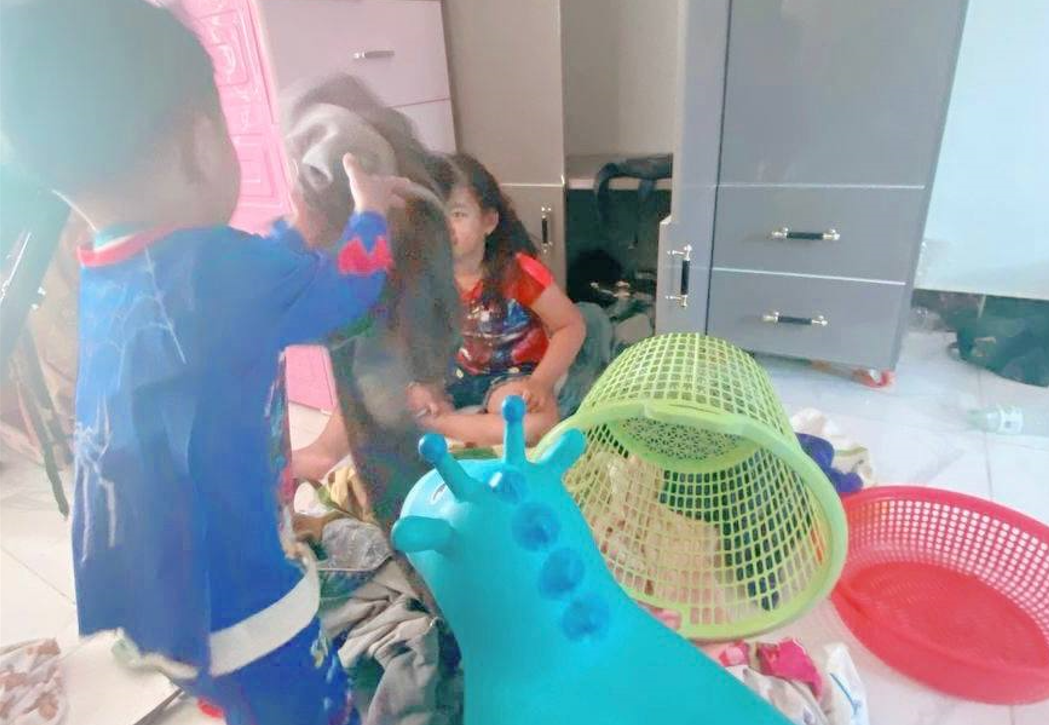
You know the moment.
There’s a pile of clothes on the floor, your 8-year-old is sitting in the middle of it all, and when you ask them to just pick up the jeans, you get an eye roll and “You can’t tell me what to do!”
If you’ve been trying to figure out how to stop an 8-year-old from talking back, you are not alone.
Child backtalk at this age can feel incredibly defeating.
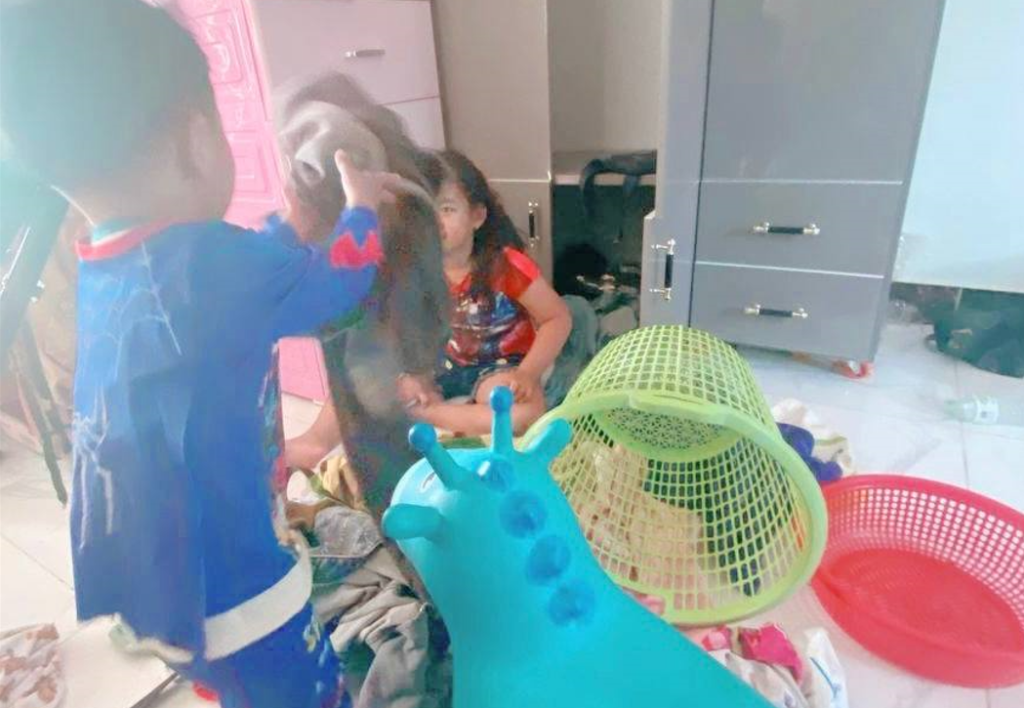
But after living through it (and taking a lot of deep breaths), I’ve learned that we don’t have to just accept it.
This is actually pretty normal behavior for their age.
But that doesn’t mean you have to let it slide.
Here’s what has actually worked in our house, and what hasn’t, when it comes to dealing with backtalk.
Quick Takeaway
To stop an 8-year-old from talking back, avoid power struggles by staying calm. Set clear boundaries with natural consequences, spend 21 minutes a day connecting intentionally (the 7-7-7 rule), and look for underlying triggers like school anxiety or poor sleep.
Why Does My 8-Year-Old Talk Back So Much?
Before jumping into fixes, it helps to understand what is going on in that little head.
At 8, kids are figuring out they’re their own person.
They’re testing limits, pushing back against your authority, and seeing how much negotiating power they actually have.
And honestly, sometimes they’re just copying what they’ve heard at home.
Ouch, I know.
Child development experts explain that how they manage their emotions is directly linked to why they talk back.
Kids this age are also dealing with more pressure at school, trickier friendships, and bigger emotions; they don’t yet have the brain development to handle them well.
A lot of the time, the attitude you’re seeing is really just poor emotional regulation in disguise.
When my daughter snapped at me last week, it turned out she’d had a rough day with a classmate.
The attitude wasn’t really about me at all.
But understanding why it happens doesn’t mean we let it slide.
How to Stop an 8-Year-Old From Talking Back
1. Stay Calm (Even When You Really Don’t Want To)
This is the hardest one.
When my son said, “Whatever, Dad,” last month, I wanted to lose it.
But I’ve learned that when I yell back, things only get worse.
Kids feed off our reactions.
If they can get you worked up, they feel powerful, and then the backtalk becomes a habit.
Instead, take a breath.
Lower your voice.
I literally count to five in my head before responding sometimes.
It’s not about being a pushover. It’s about being the adult in the room.
What you can say: “I can see you’re upset, but that tone doesn’t work with me.
Let’s try that again.”
2. Set Clear Rules and Actually Stick to Them
Kids need to know where the line is.
In our house, the rule is simple: you can be mad, you can disagree, but you cannot be disrespectful.
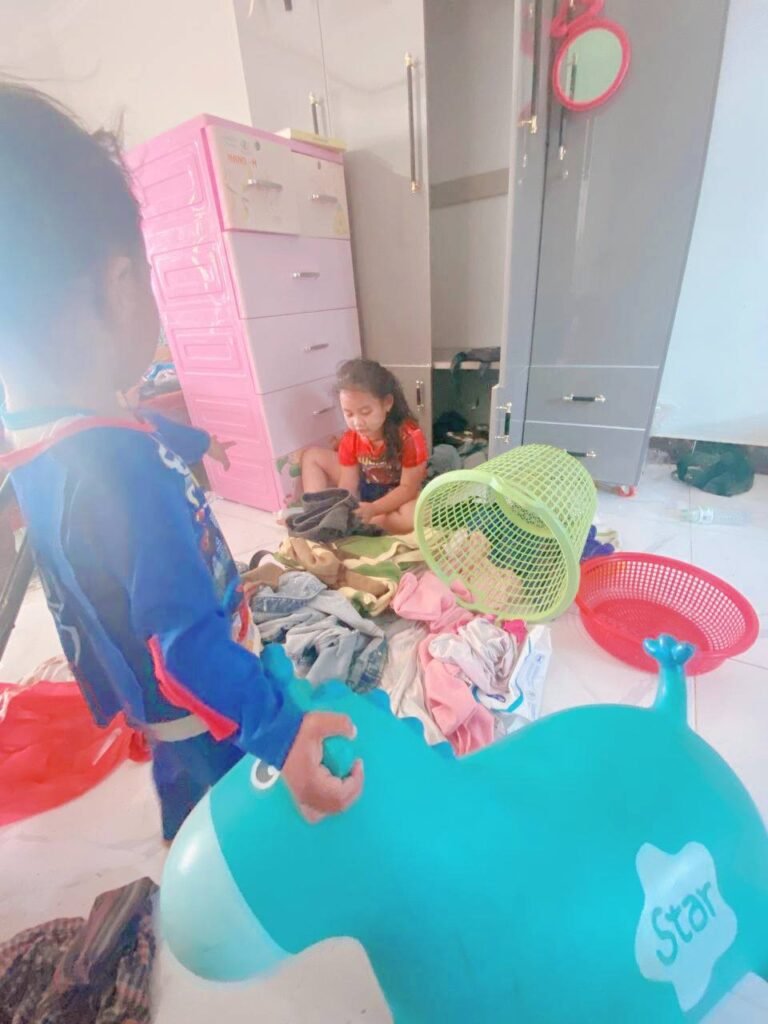
Just look at the pictures above.
This was our house last Tuesday.
It was pure chaos.
My toddler was running around in his Spider-Man suit, “helping” by throwing clothes into the laundry baskets, while my 8-year-old just sat there.
When I asked her to sort the pile, she looked at her little brother and snapped, “Why do I have to work while he plays?”
I stopped and said, “You can feel frustrated about chores.
That’s fair. But you cannot speak to me like that.”
The key is consistency.
If backtalk isn’t okay on Monday, it can’t be okay on Friday just because you’re too tired to deal with it.
Setting limits with kids is only effective when you follow through every single time.
3. How to Handle Backtalk Without Yelling
Here’s what actually works better than raising your voice.
Use consequences that make sense.
If your child talks back when you ask them to clean up, they lose screen time until the room is clean.
Simple. No long lecture needed.
These kinds of natural consequences are far more effective than empty threats.
Don’t take the bait.
When kids talk back, they’re often trying to pull you into a debate.
State the boundary once and follow through.
Here’s an example from our house:
Kid: “That’s not fair! Why does he get to play while I have to clean?”
Old me: “Because I said so!” (Which never works, by the way.)
New me: “I understand you’re frustrated that he’s playing.
But we’re not talking about him right now.
The rule is we finish our part before screen time.
Do you want to start with the shirts or the socks?”
No yelling.
No long explanation.
Just calm, clear boundaries, and staying calm actually de-escalates the situation.
4. The 7-7-7 Rule: Why 21 Minutes Changes Everything
A friend told me about this 7-7-7 rule parenting approach, and while I thought it sounded too simple at first, it really does work.
The idea is straightforward: spend 7 intentional minutes with your child three times a day.
- 7 minutes in the morning before the chaos starts. Breakfast together, or just sitting on their bed for a quick chat. No phones.
- 7 minutes after school. When they walk in, give them your full attention. Ask about their day and actually listen.
- 7 minutes before bed. This is when kids open up the most. My daughter tells me things at bedtime she’d never bring up during the day.
Here’s why it works: a lot of child backtalk is really a bid for attention.
When kids feel genuinely connected to you, they are far less likely to act out just to get a reaction.
A strong connection doesn’t happen by accident.
It takes intentional moments like these.
I’m not perfect at this every day.
Life gets busy. But on the days I do it, the attitude is noticeably lower.
5. Model the Behavior You Want
This one stung when I finally noticed it.
One evening, I was on the phone with customer service, totally frustrated, and I said, “This is ridiculous, you’re not even listening to me!” My daughter was standing right there.
The next day, she said almost the exact same thing to her little brother.
Kids are mirrors.
If we speak harshly to them, they speak harshly back.
If we interrupt them, they interrupt us.
What I’m working on now: apologizing when I mess up (“Sorry I snapped at you. I was stressed, but that wasn’t okay”), using the same tone I expect from them, and showing them how to disagree respectfully (“I hear you, but I see it differently”).
It’s not easy, especially when I’m exhausted.
But it makes a real difference.
Positive parenting techniques start with modeling the exact behavior we want to see.
6. When Your 8-Year-Old Talks Back and Completely Ignores You
Sometimes the backtalk comes with a total shutdown.
Mornings are usually the hardest in our house.

In the photo above, we were already running late, her backpacks were by the door, and she was sitting on the floor just staring at her pink sandal.
When I asked her for the fifth time to put it on, I got the classic: “Stop nagging me.”
Deep breath.
Here’s what actually helps in those moments:
- Get on their level. Instead of calling out from the other room, walk over and make eye contact. Sometimes kids are so focused on something else that they genuinely tune you out.
- Give them a choice. “You can put your shoes on now, or you lose 10 minutes of playtime. You choose.” Then walk away. No nagging.
- Follow through every time. If you say there’s a consequence and then don’t follow through, they learn your words don’t really mean anything. Consistency is everything.
7. Teach Them How to Express Frustration the Right Way
Kids don’t arrive knowing how to communicate respectfully.
We have to actually teach them.
When things are calm, I’ve started practicing with my daughter. “When you’re mad at me, instead of saying ‘You’re so mean,’ try saying ‘I’m really frustrated right now.’ Let’s practice.”
It feels a little silly at first, but it works.
She’s started catching herself mid-sentence and rephrasing on her own.
I also ask her what’s happening in her body when she’s angry. “Does your chest feel tight? Are your hands in fists?”
Helping her recognize those signs means she can sometimes catch herself before the backtalk even comes out.
This is the core of helping kids build better emotional regulation skills over time.
8. Check Whether Something Else Is Going On
A few months ago, my son’s backtalk got noticeably worse out of nowhere.
Turns out he wasn’t sleeping well because he was anxious about a test.
Sometimes the 8-year-old attitude problem you’re seeing has nothing to do with you.
It’s worth checking in:
- Is something stressful happening at school?
- Are they getting enough sleep?
- Did their routine change recently?
- Is there something they haven’t told you about yet?
A simple “Hey, I’ve noticed you’ve been more upset lately.
What’s going on?” can open up a conversation that actually gets to the real problem.
When to Actually Worry
Most backtalk at this age is normal.
But if you’re noticing any of these things, it might be worth talking to your pediatrician or school counselor:
- Explosive anger that seems way beyond normal frustration
- Physical aggression when they’re upset
- Pulling away from things they used to love
- Backtalk is constant, and nothing seems to help.
- Your child seems genuinely distressed or anxious most of the time
Dealing with disrespectful child behavior is exhausting.
Some days I handle it well. Other days, not so much.
But here’s what I’ve learned: this isn’t about winning arguments with your kid.
It’s about teaching them how to communicate like a decent human being.
And that takes time.
When you stay consistent with boundaries, actually connect with them regularly, and model the kind of respect you’re asking for, it does get better.
Parenting an 8-year-old is exhausting, but setting these boundaries has finally brought some peace back to our mornings.
Let me know in the comments what boundaries actually work for your kids.
Frequently Asked Questions
Why does my 8-year-old say “you can’t tell me what to do”?
This phrase is very common at this age and is usually a sign that your child is testing their independence. At 8, kids are starting to develop a stronger sense of self and will push back against authority to see where the limits are. It doesn’t mean you’ve done something wrong. It means they’re growing up. The key is to respond calmly, hold the boundary, and not get pulled into a power struggle.
Why does my kid talk back to me but not to other adults?
This is actually a sign that your child feels safe with you. Kids tend to hold it together at school or with teachers because those relationships feel less secure. At home, they let their guard down and release all the emotions they’ve been holding in all day. It can still feel unfair, but it means your child trusts you deeply. The goal is to channel that openness into respectful communication.
How do I respond when my child says “whatever”?
Don’t take the bait. “Whatever” is designed to get a reaction out of you. Instead, stay calm and say something like, “That tone doesn’t work with me. When you’re ready to talk respectfully, I’m here.” Then walk away. When there is no reaction to feed off, the behavior loses its power over time.
What are the good consequences for backtalk in an 8-year-old?
The most effective consequences are directly linked to the behavior. If backtalk happens when you ask them to do a chore, they lose screen time until the chore is done. If they’re rude during dinner, they leave the table. Natural consequences work better than unrelated punishments because kids can clearly see the connection between their behavior and the outcome.
Does the 7-7-7 rule actually work for backtalk?
Many parents find it genuinely helpful. The idea is to give your child 7 intentional minutes of your full attention three times a day: morning, after school, and before bed. A lot of backtalk is really a child’s way of asking for connection. When kids feel regularly seen and heard, they are much less likely to act out just to get your attention.
When should I worry about my 8-year-old’s backtalk?
Most backtalk at this age is a normal part of their development and growing independence. However, if your child is showing explosive rage, physical aggression, withdrawing from activities they used to enjoy, or seems persistently anxious or distressed, it’s worth speaking with your pediatrician or a school counselor to rule out anything deeper going on.
Disclaimer: I am a parent and a university educator, not a licensed child psychologist or pediatrician. This guide is based on my personal parenting experience and educational background. Always consult your child’s teacher or pediatrician for professional advice regarding your child’s educational development.
