


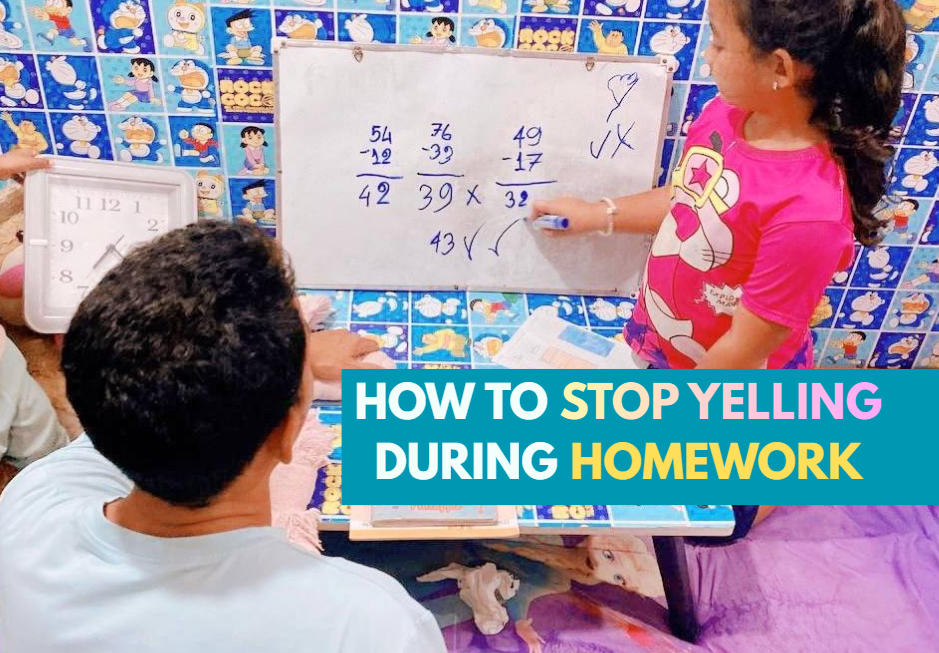
We used to start the evening with good intentions.
Somehow, by 7:00 PM, someone was crying over homework.
Usually, my 8-year-old. Sometimes me.
The nagging and the yelling felt like a nightly battle.
You start the after-school routine full of hope, and by dinnertime, everyone is done with each other.
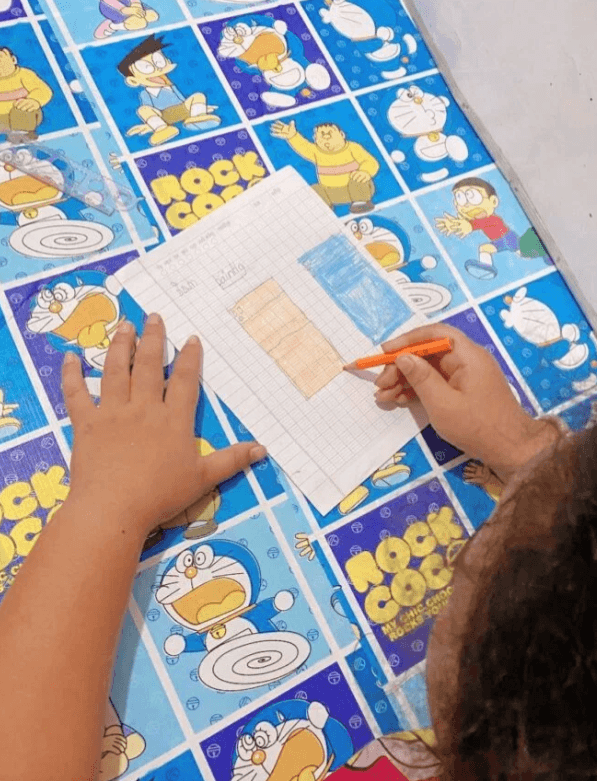
If you look at photos of our homework corner now, it looks pretty calm.
But it was not always like that. We fought every single night until I figured out one thing: I was acting like the homework police when my daughter just needed a teammate.
Here is exactly how we went from chaos to calm, and the simple tools that made all the difference.
Quick Takeaway
A calm homework routine for kids starts with three things: a consistent, dedicated homework space, simple tools like a whiteboard and an analog clock, and a shift in the parents’ role from homework police to teammate.
Giving kids small choices over how they do their work, using timed 15-minute study sprints, and letting siblings stay nearby as “body doubles” can significantly reduce homework battles at home. These strategies work especially well for elementary school children ages 6 to 10.
Why the Dining Room Table Was a Trap
When parents ask how to help their kids with homework, the dining table seems like the obvious answer.
I thought the same thing.
I was cooking, she was working.
Seemed logical.
It was a trap.
The food smells, the background noise, the lack of any real homework station… she could not focus, and neither could I.
I hovered. I pointed out every mistake the second she made it.
“That is messy.”
“Focus, please.”
“Why is this taking so long?”
I was stressing her out without realizing it.
She would shut down, I would raise my voice, and we would both end up frustrated before bedtime.
Looking back, I was micromanaging a child in a high-distraction environment and expecting perfect results.
So I made two changes.
I changed the environment.
And I changed my role in it.
We moved to the floor.
And we brought in the cartoons.
1. Ditch the Serious Desk for a “Safe Space” Homework Corner
One of the best homework space ideas for kids at home costs almost nothing.
Kids do well with routine, but routine does not have to mean a boring desk that feels like a punishment.
A serious study setup was actually making homework feel more stressful for my daughter, not less.
So we skipped the expensive furniture.
We set up a low blue table right against the wall in her room, covered it in Doraemon stickers, and called it her zone.
It sounds simple because it is.
When she sits down at that table, she is not walking into a “work zone.”
She is walking into her space.
The familiar characters, the colors she loves, all of it signals to her brain: this is safe, this is mine, I can do this.
You do not need a separate room for a good homework corner.
We used a quiet corner of the bedroom.
The key is keeping it consistent: same spot, same table, every single night.
That consistency is the foundation of a solid homework routine for kids.
2. The Three Tools That Actually Make a Difference
Our homework station is simple on purpose.
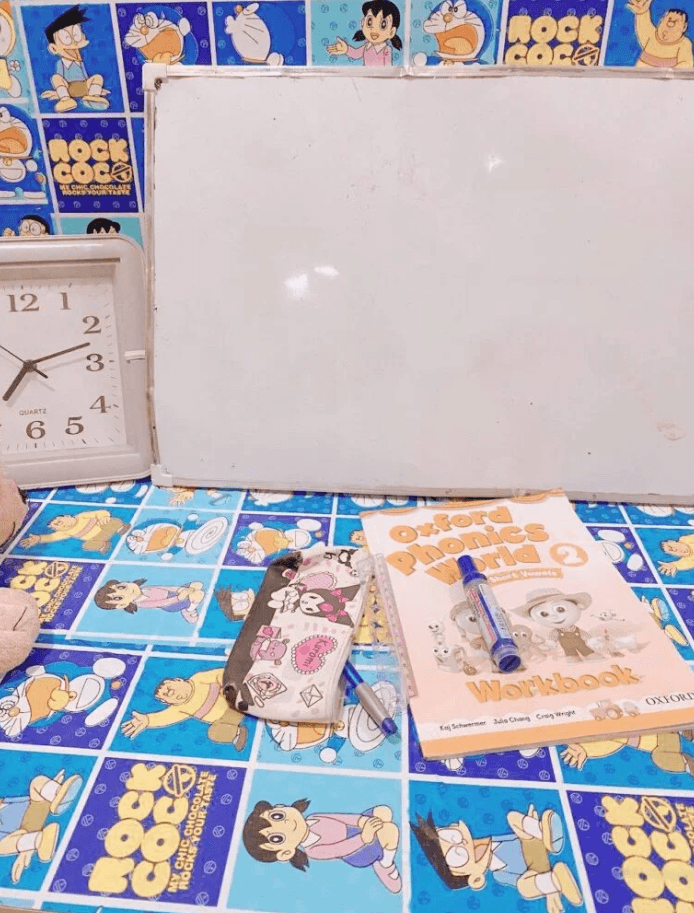
Here are the three things that changed everything.
The Whiteboard
If you only take one thing from this article, make it this: get a whiteboard.
When kids write on paper and make a mistake, they have to erase or cross it out.
The paper rips. It looks messy. It feels like failure.
A whiteboard wipes clean in a second.
Low stakes.
Using a whiteboard turns rough math into something that feels more like a game than a test.
The Low Table
Sitting on the floor is intentional.
Kids sitting on high chairs with dangling feet get restless fast.
On the floor, they settle.
It also means I can sit right next to her at her level, instead of standing over her like a supervisor.
The Analog Clock
This one surprised me more than anything else on this list.
I used to use my phone as a timer, but the moment I picked it up, my daughter wanted to see photos or play a game.
Instead, I use a small analog clock to track her study sprints.
She watches the hands move herself.
Physical time is so much easier for children to understand than a digital countdown.
Watching the minutes tick by motivates her to keep going.
We work in 15-minute sprints. Instead of “sit here until you are done,” she knows exactly when a break is coming.
Big homework loads feel overwhelming.
Chunked into short sprints, they feel manageable.
3. Dealing with Siblings: The Body Doubling Trick for Kids
A big reason kids resist homework is that they feel like they are missing out.
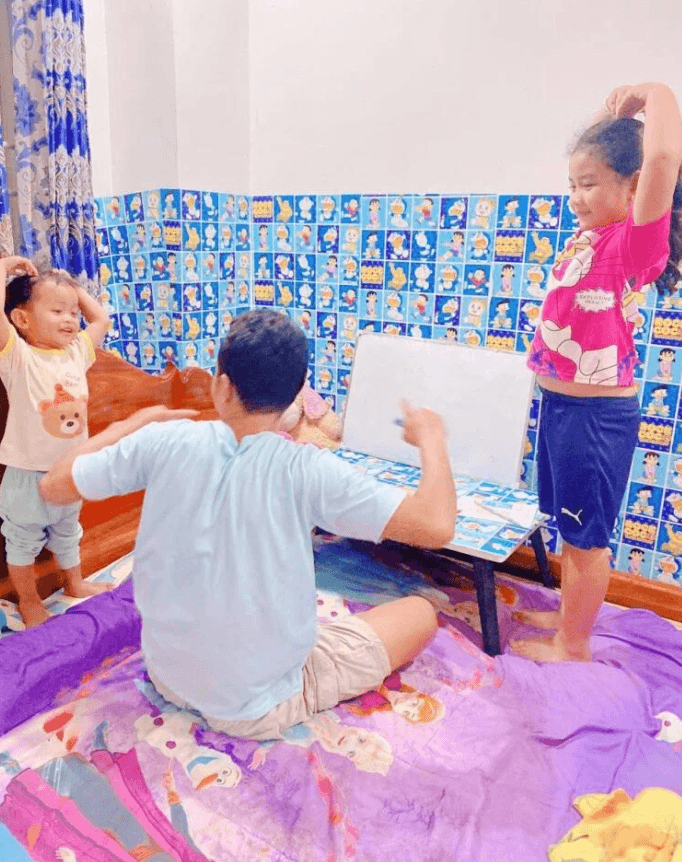
Everyone else is relaxing or playing while they are stuck working alone.
This is one of the most common reasons why children cry or shut down during homework time.
In our house, homework is a family activity.
My youngest is usually right there with us.
Sometimes he is dancing around. Sometimes he tries to steal the eraser.
A lot of parents try to keep siblings out of the room, but that usually creates more noise and more fighting.
Instead, we let him be part of it.
He sits on the floor and “works” alongside us, which mostly means playing.
But it works.
This is called body doubling, and it is a focus strategy borrowed from the ADHD community that works beautifully as a general homework motivation tool.
My daughter does not feel isolated.
She actually focuses better because she is playing the role of the responsible big sister.
Homework time becomes family time, and that changes the whole feeling of it.
Using body doubling during study time is one of the most underrated ways to keep the evening calm.
4. Let Them Catch Your Mistakes
This is my favorite tip for parents of elementary kids, and the one that changed my daughter’s relationship with math.
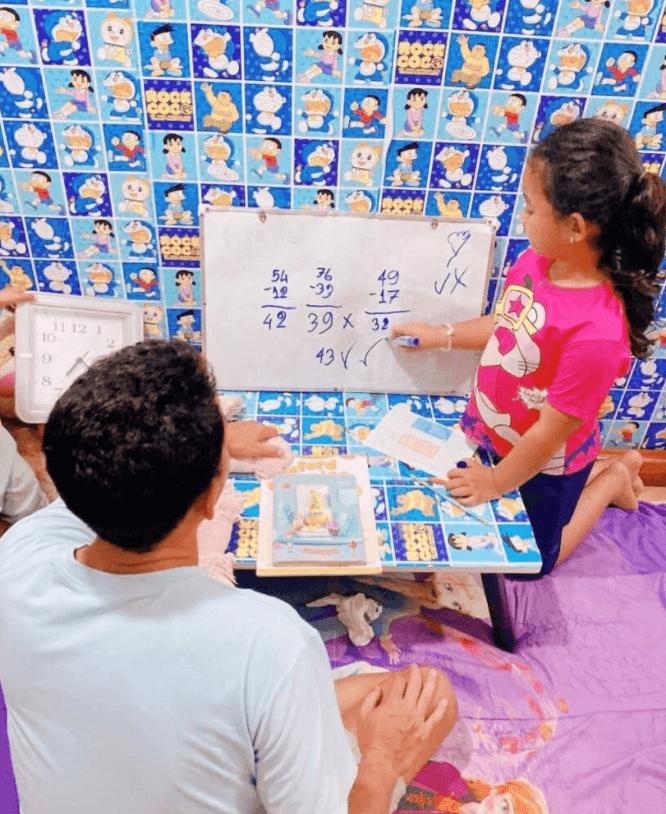
I hand the marker to her and let her be the teacher.
Then I intentionally get a problem wrong to see if she catches it.
We were working on subtraction the other day. 76 minus 33. I “accidentally” said the answer was 39.
She stopped, looked at the board, checked the math, and corrected me with full confidence: “No! It is 43!”
The look on her face was worth everything.
When a child feels smart enough to correct an adult, something shifts.
The fear around the subject shrinks.
She stopped being scared of math and started feeling like she owned it.
This is one of the most effective homework tips for parents of elementary kids because it builds confidence without pressure.
It is positive parenting in action, and it costs nothing.
5. Give Kids Control: The Choice Strategy
Children get told what to do all day at school.
By the time they get home, the last thing they want is more commands.
This is why so many of us struggle to motivate our children without it turning into a battle.
Giving kids choices in homework is the answer.
Instead of “do your math now,” I offer two options.
“Do you want to use the whiteboard or the notebook?”
“Should we do the hard stuff first or start with the easy coloring page?”
Just yesterday, she chose to color in her progress chart before tackling the harder work.
I did not care about the order.
She got everything done without a single argument because she felt like she had a say in how the session went.
This is one of the simplest calm homework time strategies, and it works because children feel respected.
When kids feel in control of small decisions, they are far less likely to resist the bigger ones.
It Did Not Happen Overnight
Stopping the yelling was not a one-day fix.
And as you can probably tell from my toddler running through the background of our photos, our homework sessions are not quiet or perfect.
But they are calm. And kind. And that is enough.
A simple analog clock, a whiteboard, a favorite cartoon on the wall, and a little less control on my end.
That is what actually turned things around.
Homework still is not her favorite part of the day.
But it is not a source of tears anymore either.
Find your corner.
Grab a whiteboard.
Throw some stickers on the table.
You might be genuinely surprised at what changes when you create the right study spot for your child and show up as their teammate instead of their supervisor.
FAQ: Homework Routine for Kids
What does a realistic after-school routine look like?
A good routine gives them time to decompress before jumping back into work. Aim for a short break after school (15 to 30 minutes) and a healthy snack before starting.
Then, move to your dedicated homework corner and begin your 15-minute sprints. Keeping the same general time and place every day helps the transition become automatic.
What if they still cry or have a meltdown?
This is more common than most of us realize! Children usually cry over assignments because they feel overwhelmed, rushed, or afraid of making mistakes. A dysregulated nervous system cannot learn well. If tears start, pause the clock.
Before forcing them back to the worksheet, try a short calm-down activity, acknowledge their frustration, and chunk the remaining work into even smaller, more manageable steps.
Disclaimer: I am a parent and a university educator, not a licensed child psychologist or pediatrician. This guide is based on my personal parenting experience and educational background. Always consult your child’s teacher or pediatrician for professional advice regarding your child’s educational development.
