


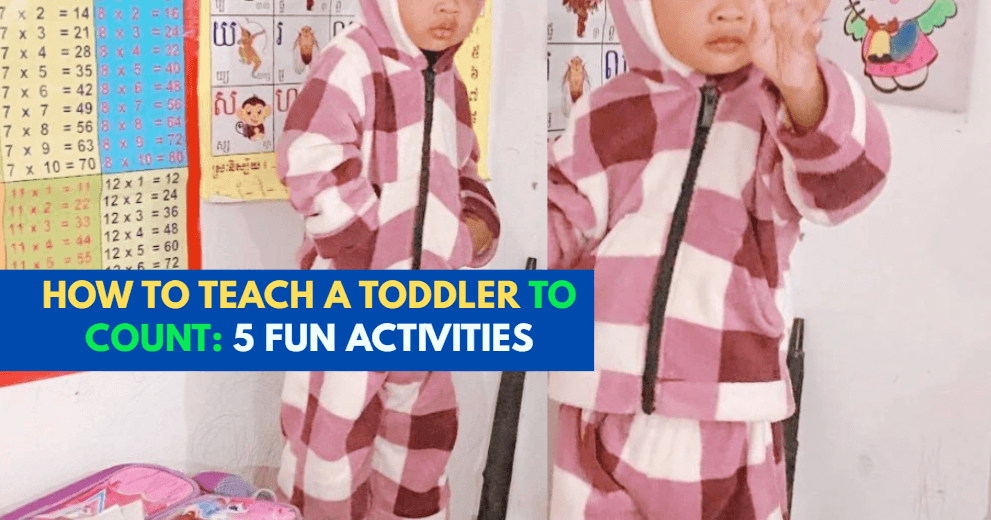
Teaching a toddler to count is one of those parenting moments that is equal parts hilarious and humbling.
One minute, they are counting perfectly.
Next, they are shouting “one, two, eight, ten!” with total confidence.
If that sounds familiar, you are in the right place.
My two-year-old stands in front of his number chart like he is leading a university lecture.
He waves his hands.
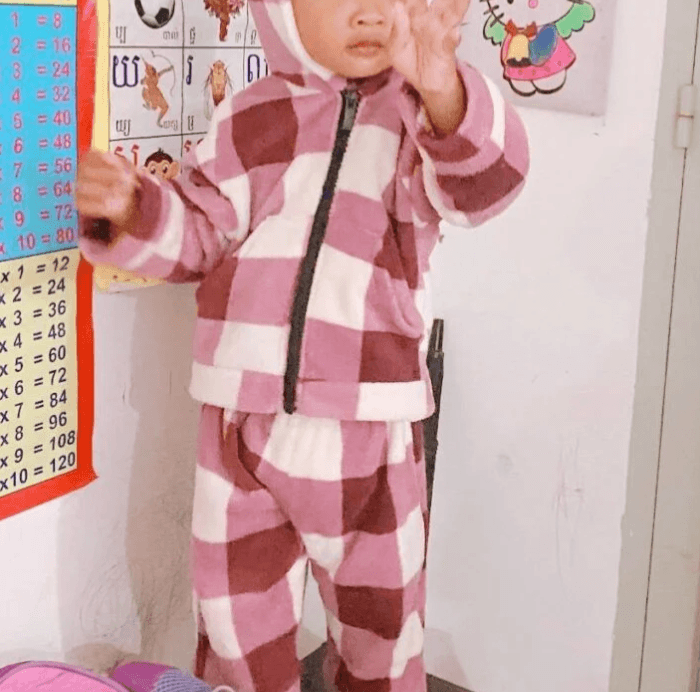
He makes very serious faces.
But really, we are just playing with numbers, and that is exactly how it should be.
This guide covers what actually works: simple games, hands-on activities, and the everyday moments that build real early math skills.
No expensive apps. No workbooks.
Just simple, playful strategies you can start today.
Quick Takeaway
- The best way to teach a toddler to count is through play, not drills.
- Number charts, finger counting, and everyday objects are your most powerful tools.
- “Number sense” (understanding what numbers mean) matters more than memorizing a sequence.
- Most toddlers count to five between the ages of 2 and 3. Both earlier and later are normal.
- Pressure and repetition backfire. Short, playful bursts win every time.
Why Flashcards and Drills Do Not Work for Toddlers
Toddlers do not learn by sitting still and repeating things over and over.
They learn by touching, moving, and playing.
If you want your toddler to understand numbers, the experience needs to feel like a game, not a lesson.
The biggest mistake parents make is turning counting into a test.
“What comes after three?
Come on, you know this!”
That kind of pressure does the opposite of what you want.
It makes numbers feel stressful, and toddlers shut down fast when something feels hard.
The good news is that the right approach is also the easier one.
You just have to make numbers part of their world.
The Number Chart Trick (It Is Easier Than You Think)
Here is something that surprised me when I first tried it: you do not need expensive learning toys.
I hung a colorful number chart on the wall near my son’s play area.
That is it.
Here is what happened over the next few weeks:
- He saw the numbers every single day
- They became familiar, like a favorite stuffed animal
- He started pointing at them: “Look, Mama! Five!”
- Numbers stopped feeling foreign or scary
This is called environmental learning.
When numbers are a normal part of a toddler’s surroundings, they absorb them naturally.
No pressure.
No tears. Just curiosity.
Magnetic numbers on the fridge work just as well.
Anything colorful and visible at their eye level does the job.
Counting Games for Toddlers: Start With Their Hands
Want to know the best teaching tool you already own?
Your hands.
Toddlers are physical learners.
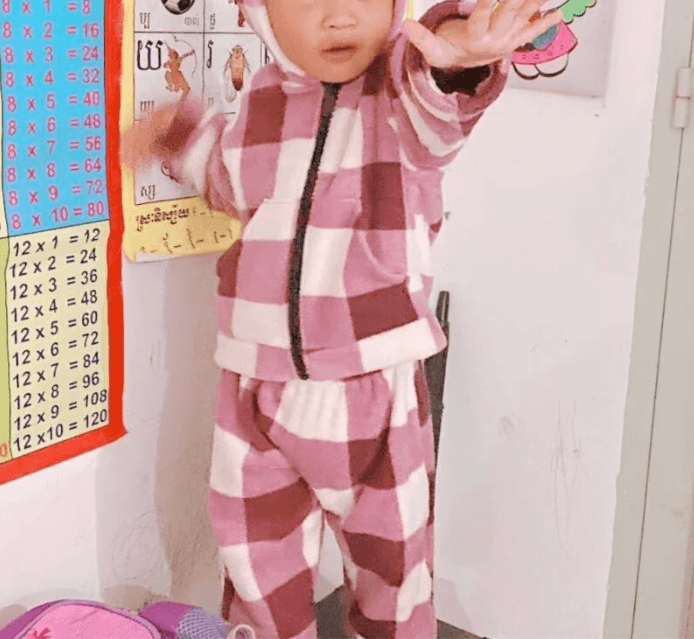
They need to feel and do, not just watch and listen.
Simple finger counting works better than almost any toy or app because it is immediate and interactive.
Three hand games we use every day:
- High fives for five. When we count to five, we clap our hands together. It makes him laugh, and he remembers that “five” is something special. Pairing a number with a physical action creates a memory anchor.
- Finger counting. Yes, little fingers do not always cooperate. My son struggles to hold up “three” without all five fingers popping up at once. But that struggle is actually useful. It builds fine motor skills and gives him a physical reason to pay attention to each number individually.
- The stop hand. An open palm means “zero” or “stop.” It gives him a concrete, physical way to understand the idea of nothing. Abstract concepts need physical anchors at this age.
These hand games turn numbers from abstract words into real, hands-on experiences.
And they can happen anywhere: in the car, at the grocery store, before bed.
Simple Counting Activities You Can Start Today
You do not need special materials or any training.
Every one of these activities uses things you already have at home.
1. Count Everything Around the House
Seriously, count everything.
- Stairs as you walk up them
- Banana slices at snack time
- Shoes by the front door
- Toes during bath time
- Toys, as you put them away
Keep it casual. Keep it quick.
Even a ten-second counting moment during a normal daily routine adds up over time.
2. Body Part Counting
“How many noses do you have? Let’s count! One nose!”
“How many ears? One, two! Two ears!”
Toddlers find this absolutely hilarious, and connecting numbers to their own body makes the concept feel real and personal.
It is also a great way to teach numbers 1 to 5 without making it feel like schoolwork.
3. Nursery Rhymes and Counting Songs
Old favorites like “Five Little Monkeys” and “One, Two, Buckle My Shoe” have stuck around for a reason.
They combine rhythm, repetition, and movement, which is exactly how young children absorb new information.
Sing them while doing actions, and your toddler will absorb numbers without realizing they are learning anything at all.
4. The Toy Line-Up Game
Line up five toys and count them together, touching each one as you go.
Then hide one behind your back.
“Uh oh! How many now?”
This is highly effective because it builds foundational number sense while also testing their memory and early problem-solving skills.
When counting has a purpose and a little drama, toddlers pay attention.
Make It a Game, Not a Test
Here is where a lot of parents accidentally go wrong.
You see another child counting to twenty and start to wonder if your own child is behind.
So you drill them.
So you quiz them at the dinner table.
And the moment it stops feeling like play, toddlers lose interest entirely.
Early math skills for toddlers are not about memorizing a number sequence.
They are about understanding what numbers actually mean.
That “three” equals three crackers. That “two” means two shoes.
Researchers call this “number sense,” and it matters far more than being able to recite words in order.
A few simple rules we follow at home:
- If he counts correctly, we celebrate. Big smiles, high fives, the whole deal.
- If he counts wrong, we celebrate anyway. Trying is what matters.
- We never force it. If he is not interested in counting fingers today, we count his toy cars tomorrow instead.
The goal is not perfection.
It is building a genuine love for learning.
What to Do When Your Toddler Gets Frustrated
Some days, counting will go smoothly.
Other days, your toddler will refuse to look at a number chart entirely.
That is completely normal.
Toddlers have short attention spans and big emotions.
If counting time starts to feel like a meltdown, just stop.
Try again tomorrow with a different activity.
Change the format, change the objects, change the location.
Counting pebbles in the garden hits differently than counting crackers on a plate.
The key is keeping it pressure-free.
The moment it feels like work, they will shut down.
The moment it feels like a game, they are in.
How Long Does It Take? (Realistic Milestones)
Every child develops at their own pace, and counting milestones varies widely.
Some toddlers can count to five by eighteen months.
Others are not quite there until age three.
Both are completely within the normal range.
What matters more than speed is that your child is building positive associations with numbers.
When counting feels like a fun game rather than a scary test, toddlers naturally want to do it more.
That attitude will carry them through actual math class someday.
For now, though, we are just playing.
The Real Goal: Kids Who Love Numbers
When my son stands in front of his number chart waving his hands like a tiny professor, I honestly do not care whether he is counting in the right order.
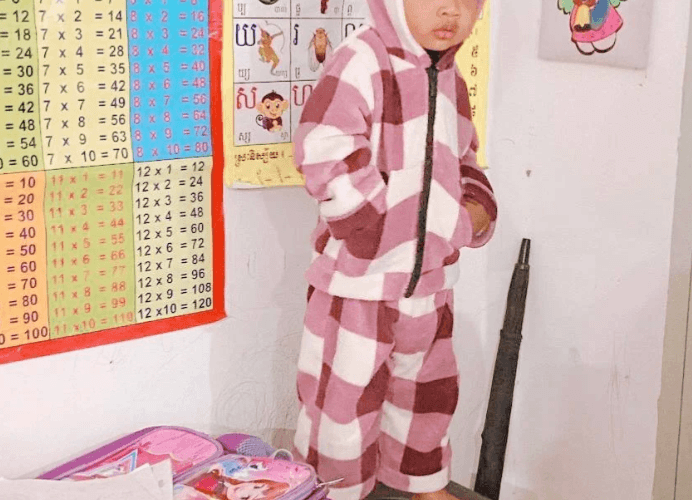
What I care about is that he is excited.
He sees numbers and thinks “fun,” not “hard.” That is the foundation.
Everything else, the sequences, the concepts, the actual math, will come when he is ready.
But a child who loves learning is a child who keeps trying.
Your Starting Point: Three Things That Make a Difference
If you’re feeling overwhelmed and just want to get started, focus on these three things:
- Put numbers where they can see them. A number chart, magnetic numbers on the fridge, or colorful number stickers on the wall all work. Visible, everyday exposure builds familiarity over time.
- Use their hands. Fingers are the best counting tool ever made. Finger counting is free, always available, and works better than most learning toys.
- Keep it playful. Songs, silly voices, games, and counting real objects beat structured lessons every time. If both of you are laughing, it is working.
You do not need an expensive curriculum or a perfectly planned activity schedule.
You just need a willingness to count toes, snacks, and stuffed animals a hundred times a day, because that is genuinely how toddlers learn best.
And if your little one counts “one, two, eight, ten” today?
Smile and cheer.
Tomorrow, they might get it right.
Or they might not.
Either way, you are building something more important than perfect counting.
You are building a learner who loves to try.
Frequently Asked Questions
At what age should a toddler be able to count to 10?
Most children can count to 10 by age four, though many start counting to five as early as two or three years old. There is a wide normal range. If your child is showing curiosity about numbers and making progress over time, they are on track.
What if my 2-year-old has no interest in counting?
That is more common than you think. At age two, the priority is exposure, not mastery. Try sneaking numbers into daily routines without making it a lesson: count steps, snacks, or bath toys. When it feels like play, interest follows.
Is it normal for a 3-year-old not to count yet?
Yes. Some children count fluently at two and a half; others get there closer to three and a half. If your child is engaging with language, following simple instructions, and showing curiosity about the world, there is likely nothing to worry about. Talk to your pediatrician if you have concerns.
What is number sense, and why does it matter?
Number sense is a child’s ability to understand what numbers represent, not just recite them in order. A toddler with good number sense knows that “three” means three actual objects. It is considered a stronger foundation for future math skills than simple memorization.
What are the best counting activities for toddlers at home?
The most effective ones use everyday objects and take less than five minutes. Counting snack pieces, lining up toys, singing counting songs, and playing finger games all build early math skills naturally. No special materials required.
How do I teach a toddler to count without it becoming a chore?
Follow their lead. If they are engaged, keep going. If they are not, stop and try again later with something different. Short, joyful counting moments scattered throughout the day are far more effective than one long, structured session.
Disclaimer: I am a parent and a university educator, not a licensed child psychologist or pediatrician. This guide is based on my personal parenting experience and educational background. Always consult your child’s teacher or pediatrician for professional advice regarding your child’s educational development.
